April 2025 Operations.
April saw a continuation of food distribution, new initiatives like building ovens, and major large-scale cooking activities despite escalating costs and logistical challenges.
April (General): Challenges and Supply Chains
Throughout April, the team worked tirelessly to find products by talking to retailers and going around markets. Thanks to relationships built over 1.5 years, retailers often contacted them when they had stock. Pasta and rice were the hardest items to find, but secondary ingredients like spices, onions, corn, and tomato paste were also expensive and hard to obtain. Firewood and transportation also presented significant difficulties. Prices for essentials were extremely high, to the point where the mind could barely comprehend them. For instance, the price of a liter of cooking oil, which was previously 6-7 ILS, now stood at 85 ILS. The commission rate for transferring cash, often 26% or 28%, added another layer of financial strain. These hardships were faced daily, but the team operated around the clock, preparing for the next cooking activity immediately after finishing one.
April (1-2 Weeks): Bread Oven Construction
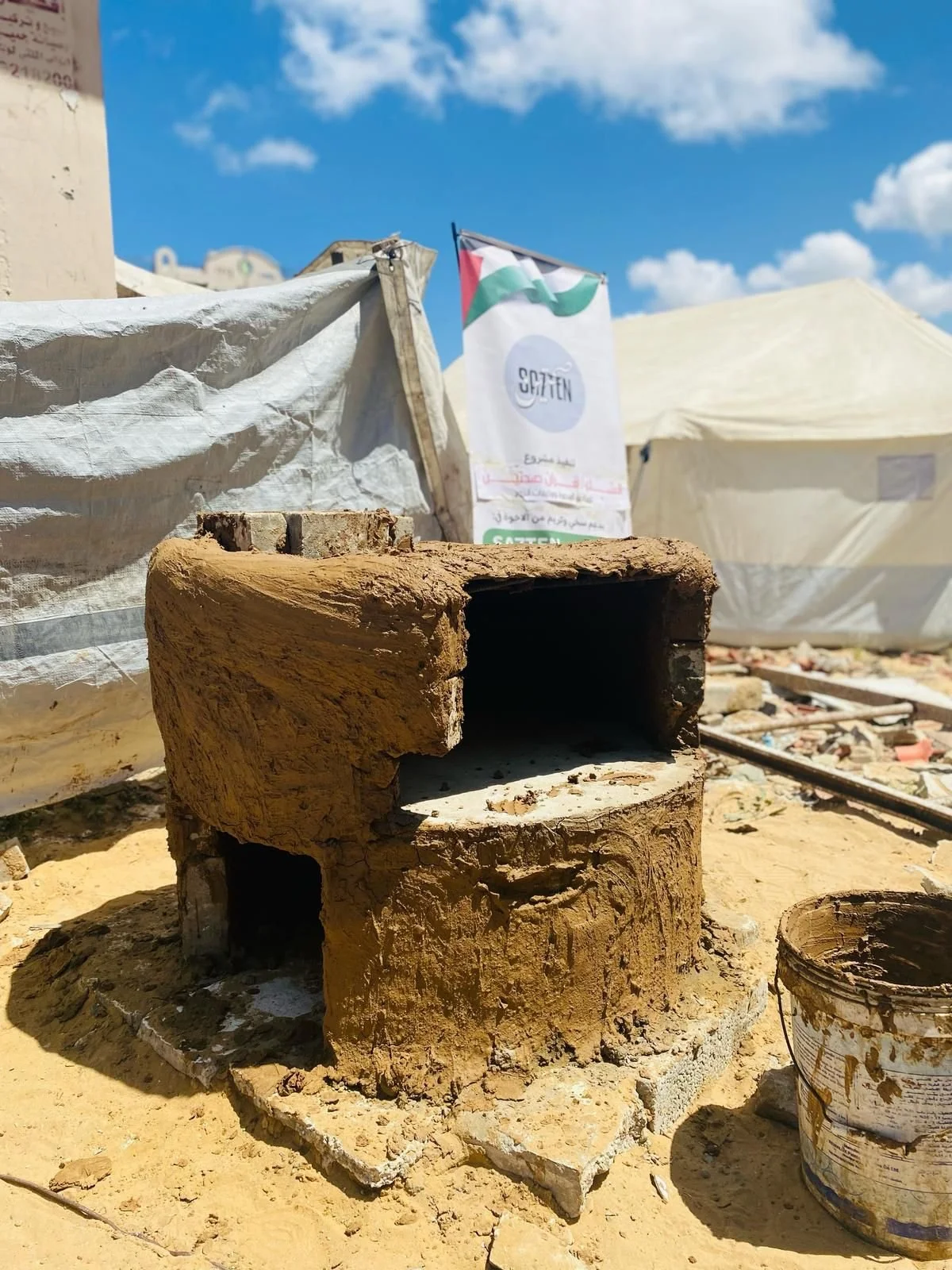
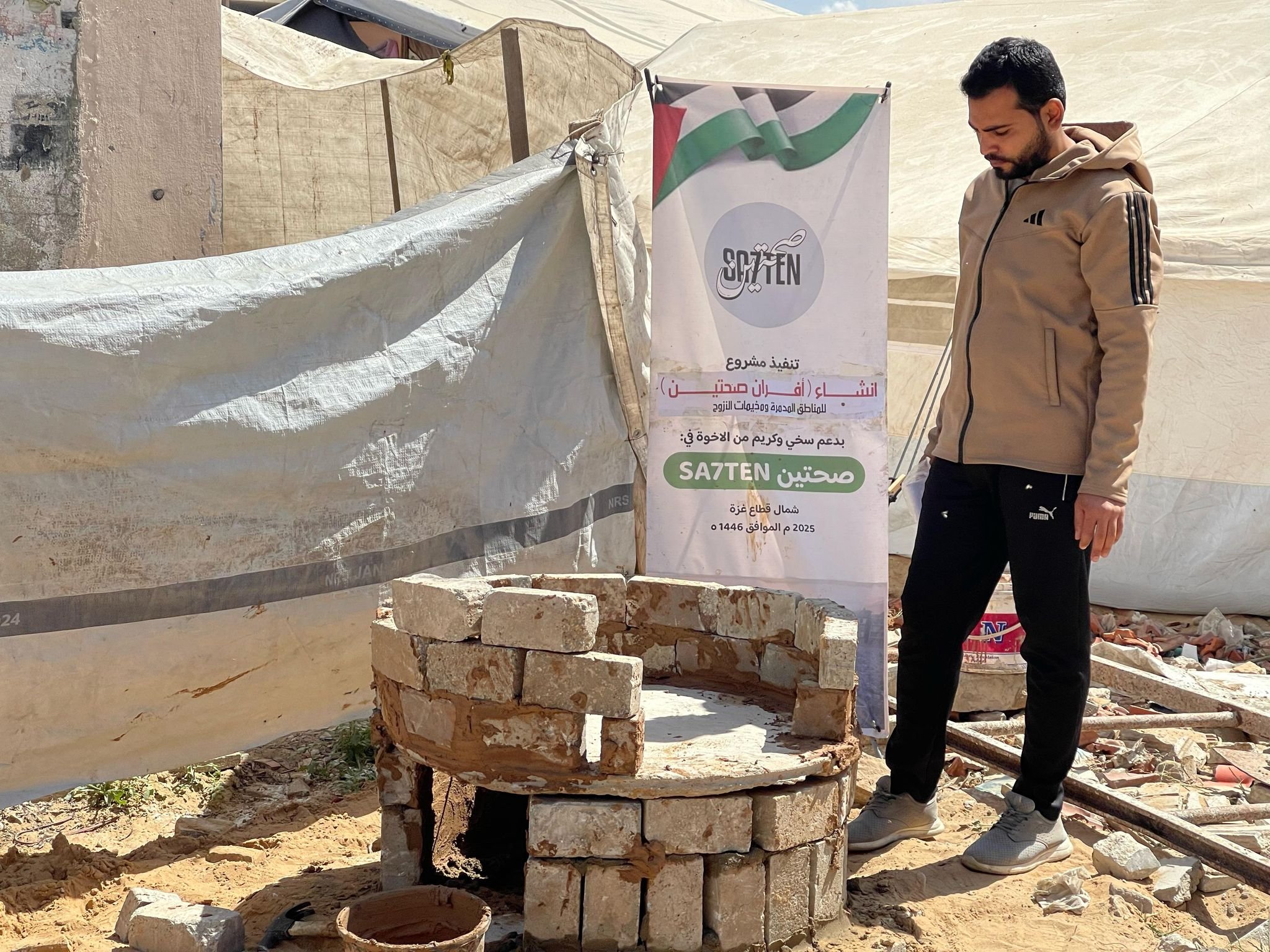
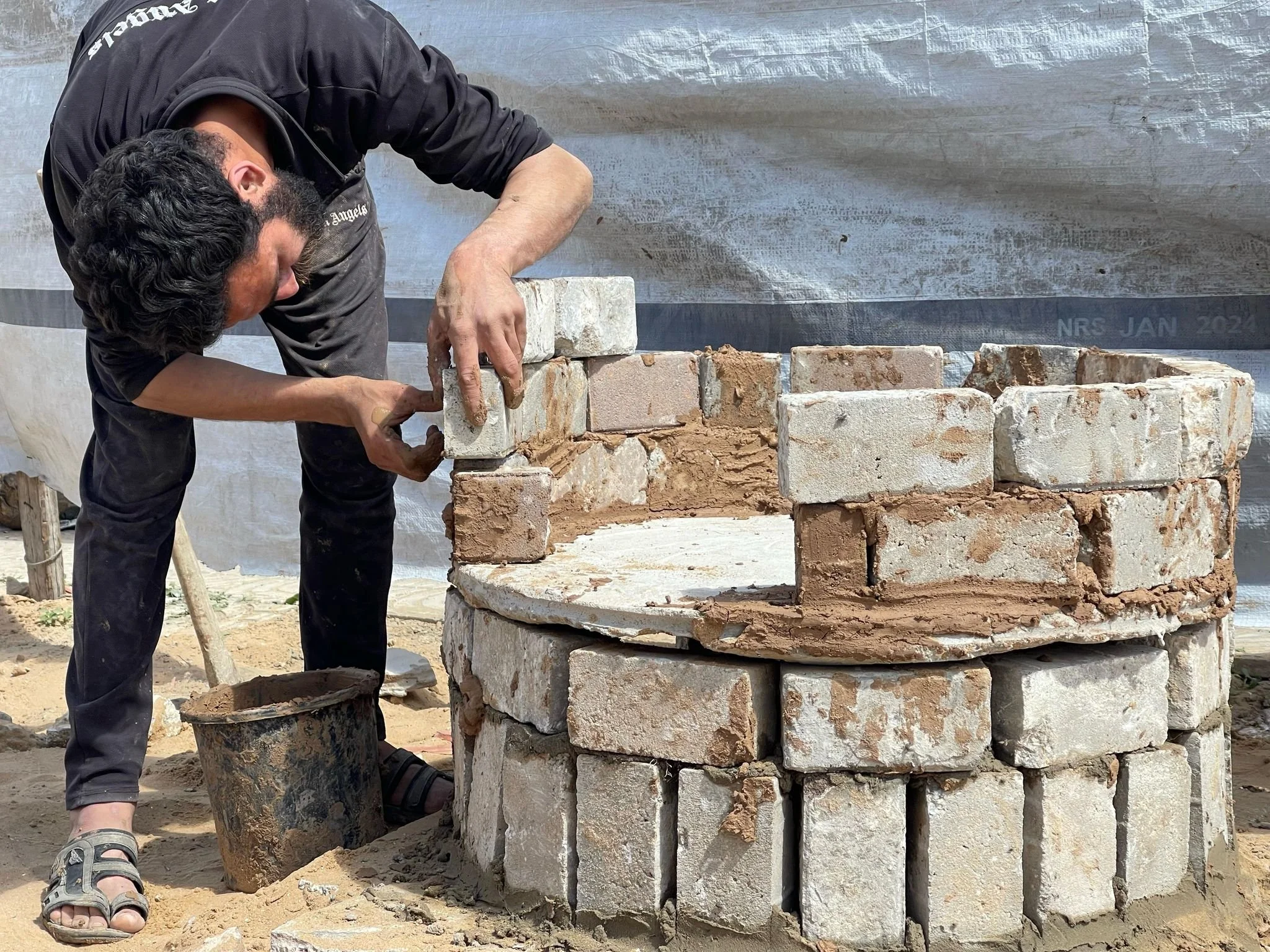
Sa7ten constructed four ovens for camps in northern Gaza during the first two weeks of April. Building these ovens aimed not only to allow for bread baking but also to build resilience for future use.
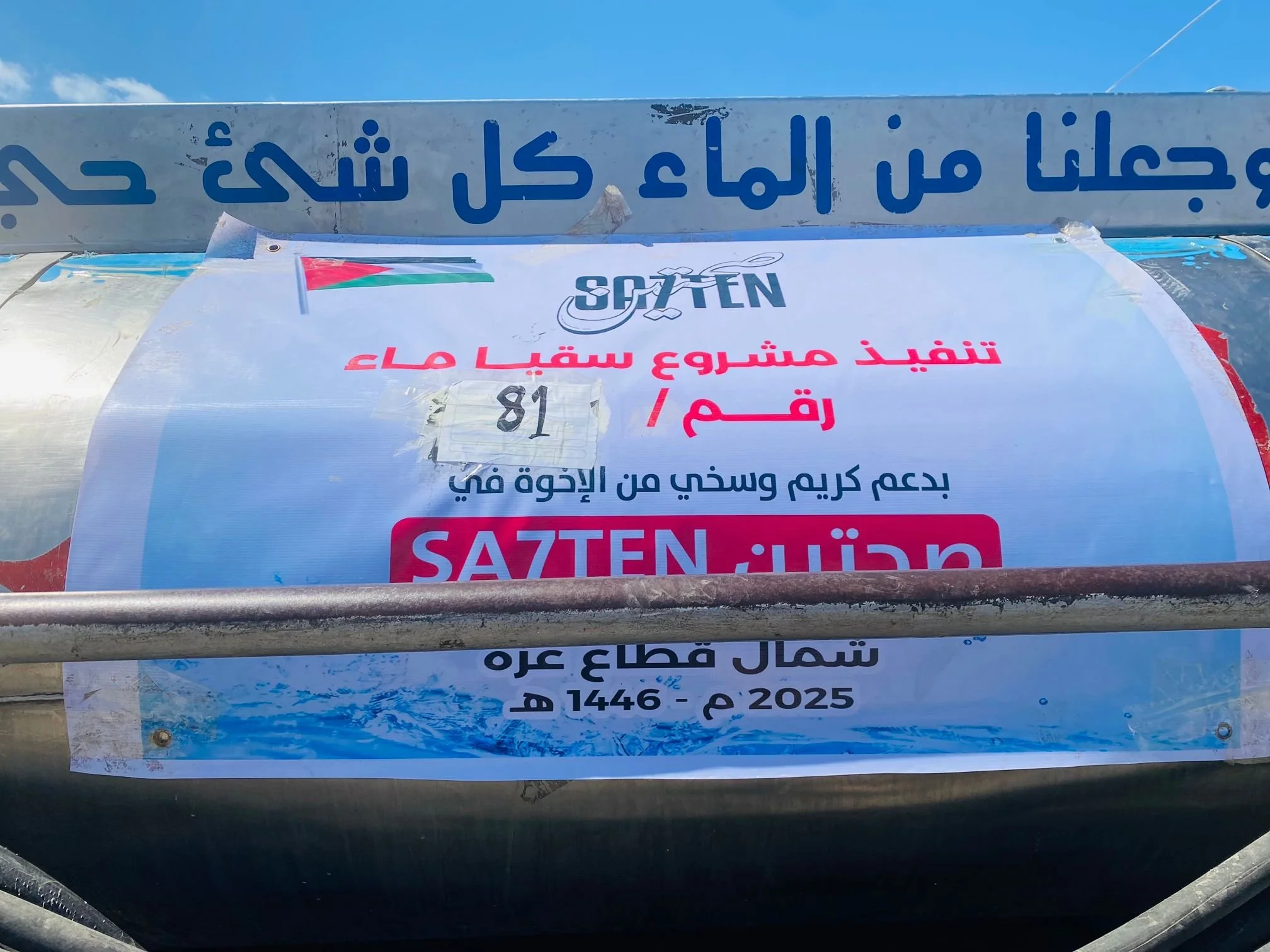
April (1-2 Weeks): Water Distribution
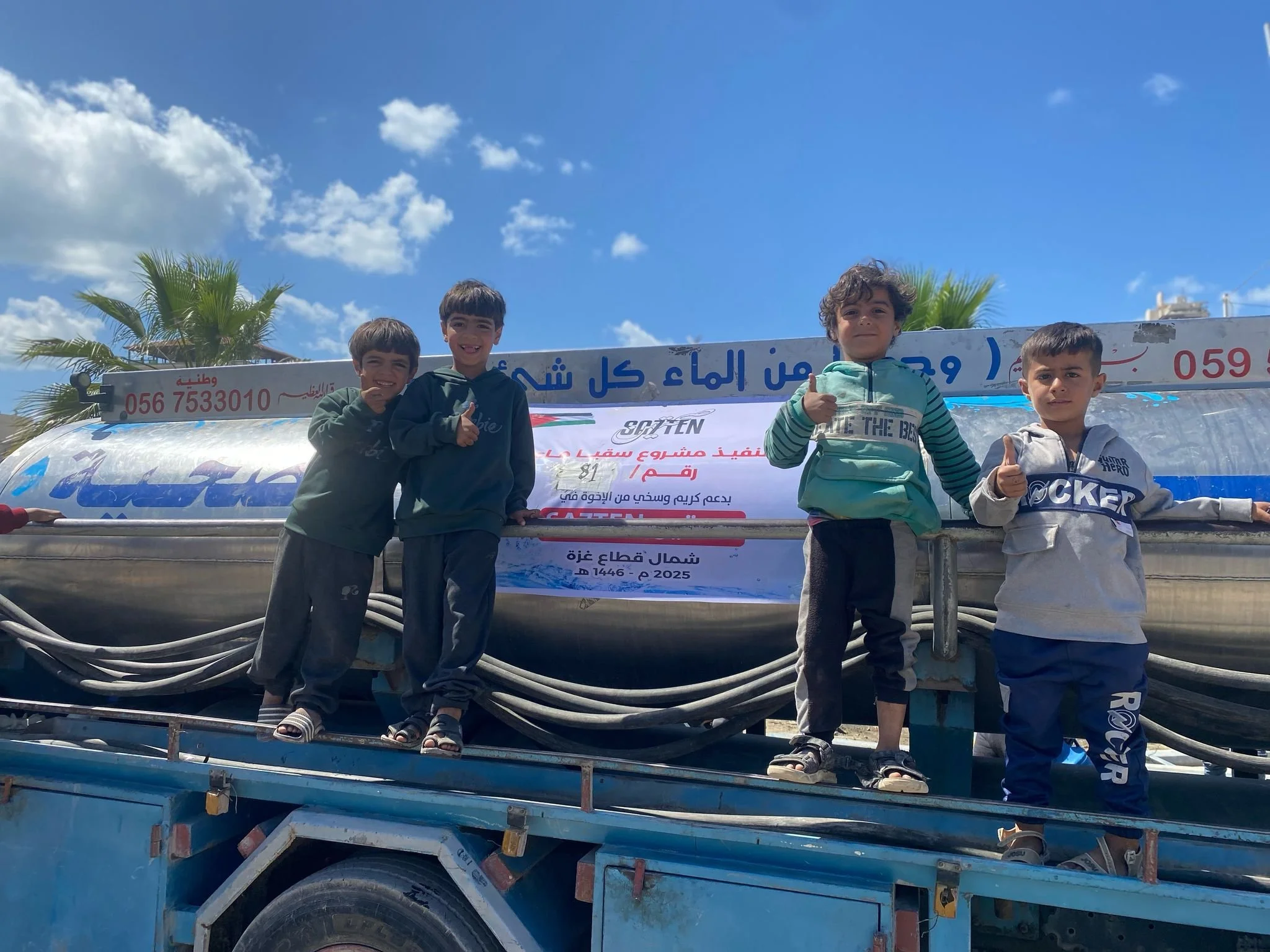
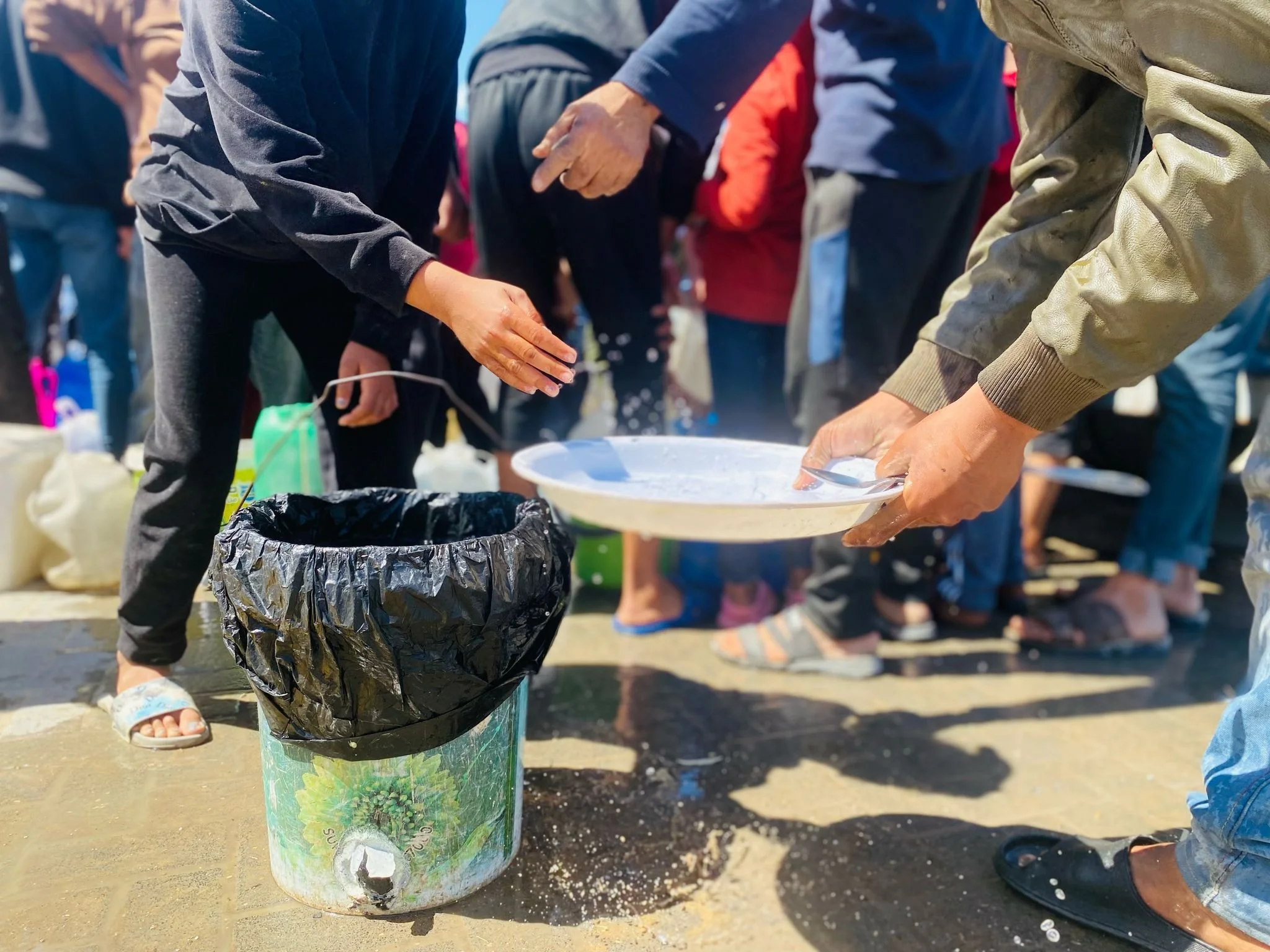
Water bottles were distributed by trucks circling across camps in Gaza. Drinkable water was lacking and needed for both drinking and cooking, contributing to dehydration.
April (1-2 Weeks): Community Events in North
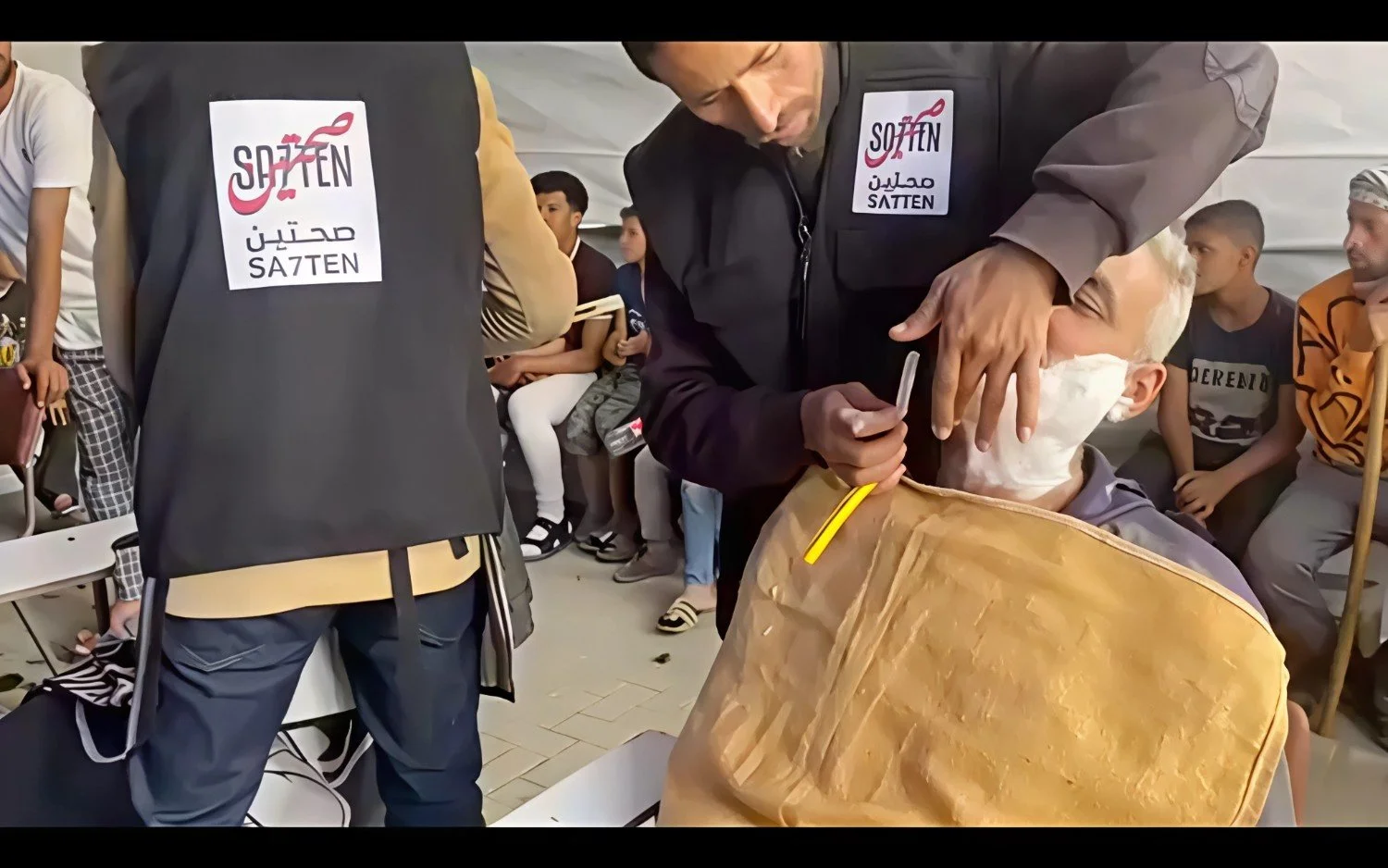
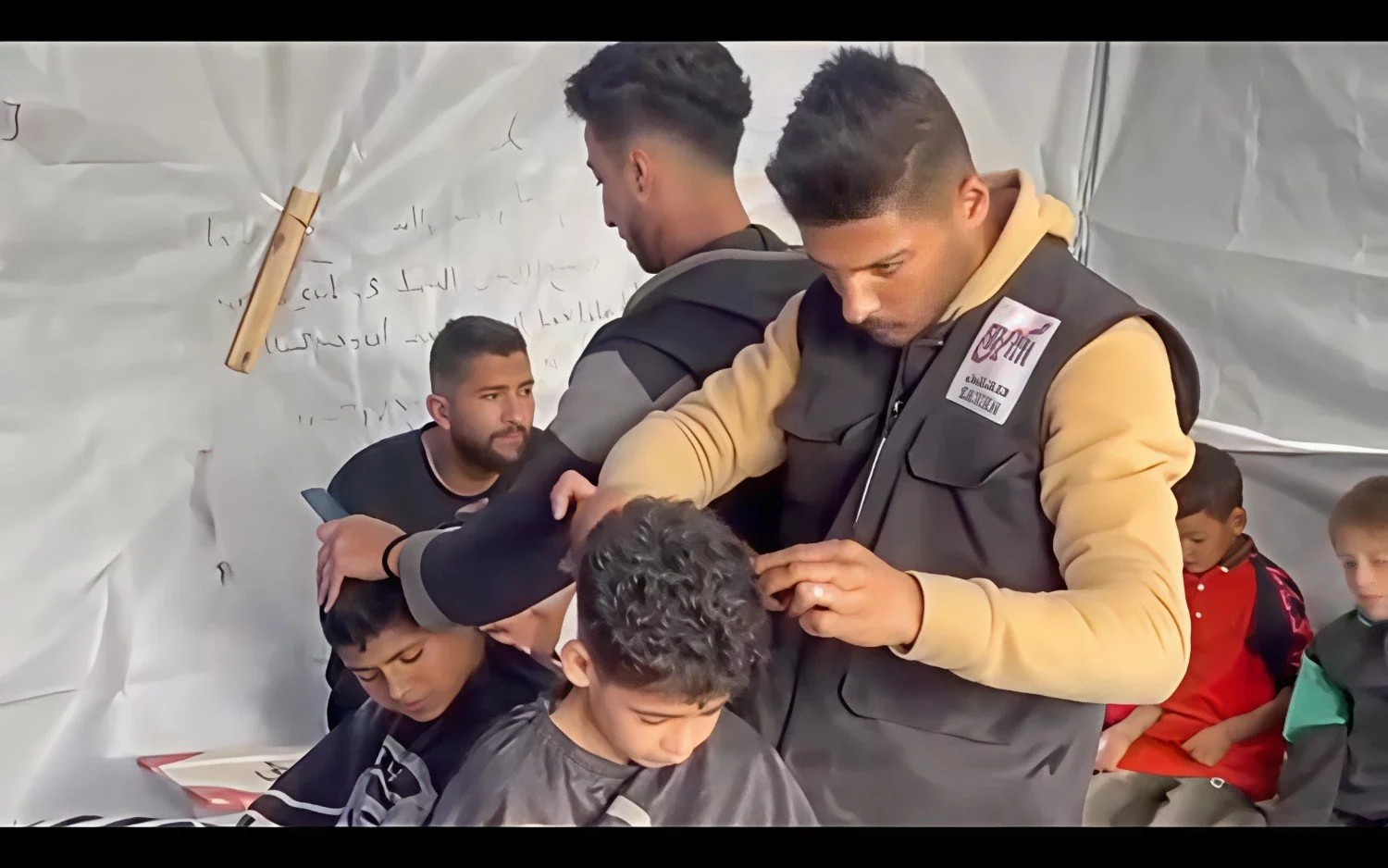
An event offering haircuts for refugees was organized in northern Gaza. An event for children who had been recently displaced in northern Gaza was also held.
April (Weeks 1-4): Community Kitchens Across West and Central Gaza
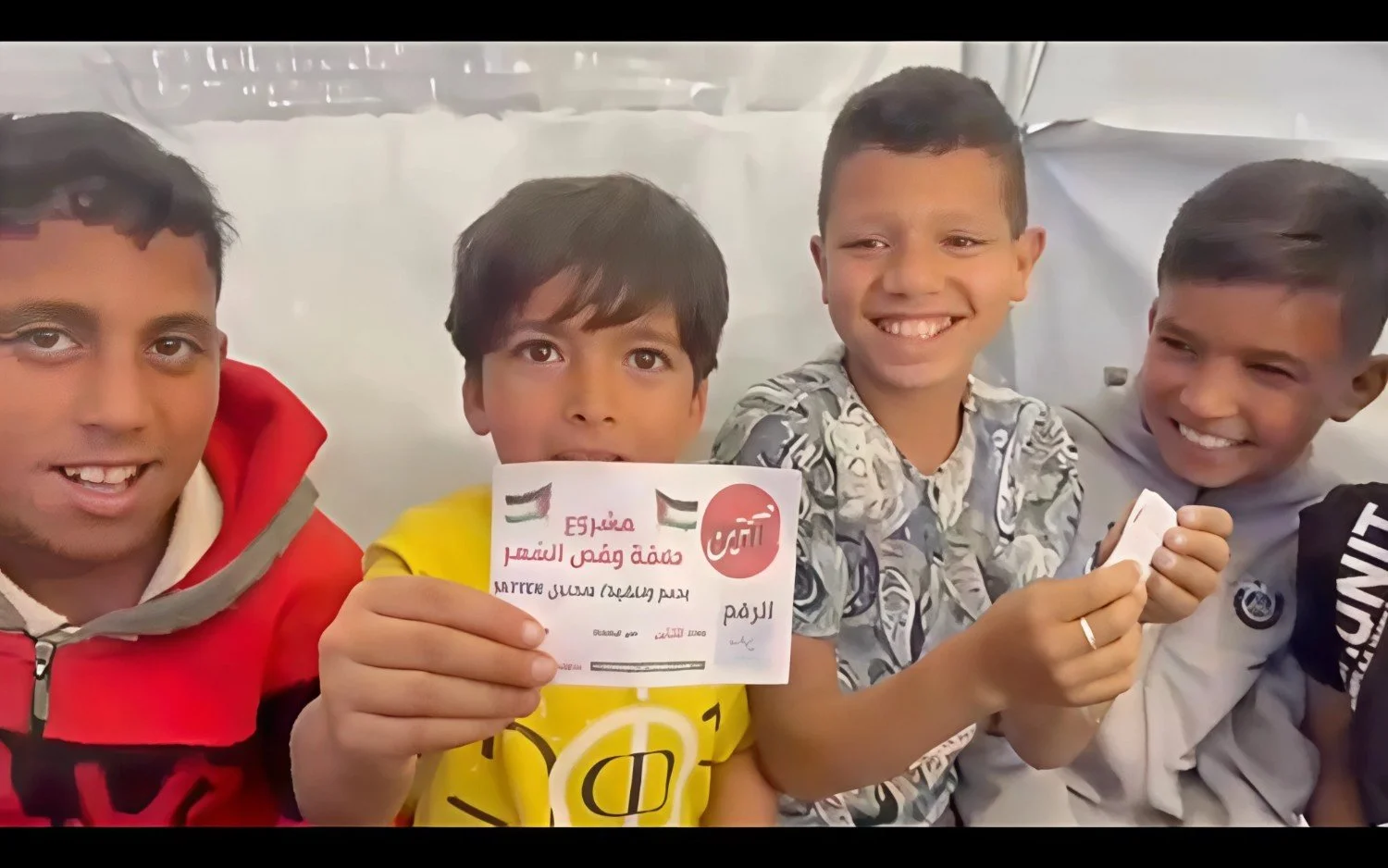
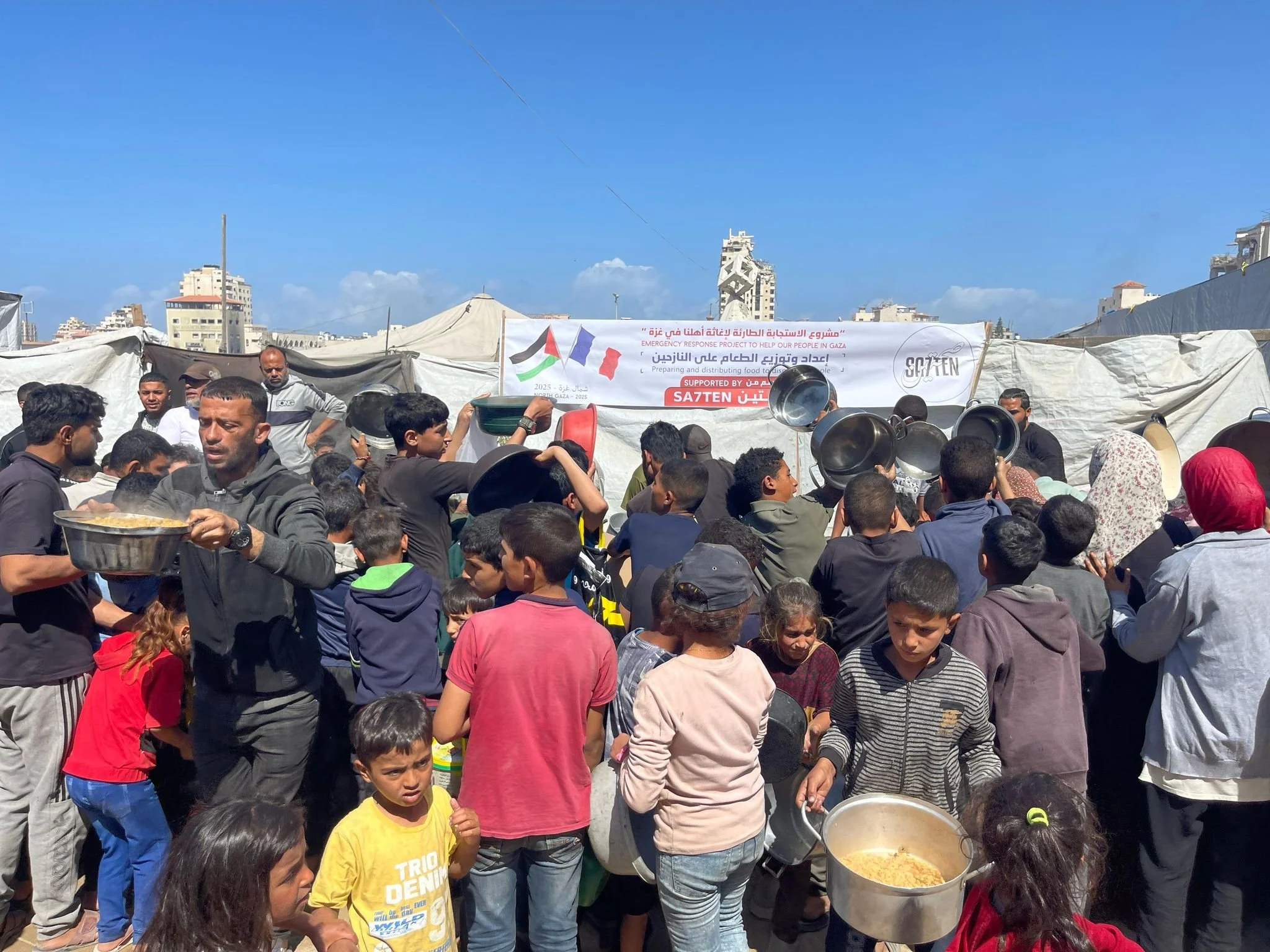
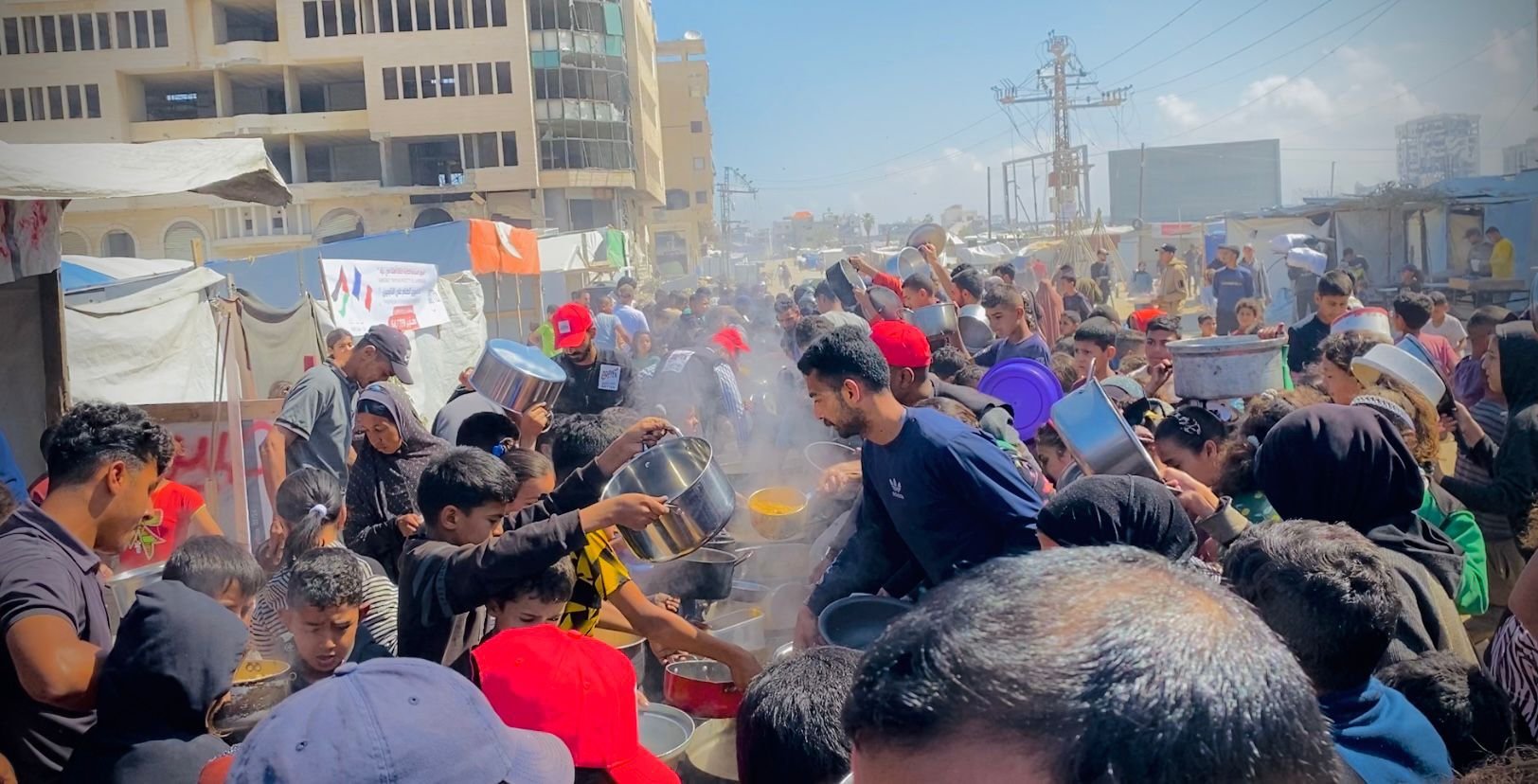
Community kitchen activities were frequent throughout April. In the first two weeks, two community kitchens were held in western Gaza. In the third and fourth weeks, two community kitchens were held in the Al Jawazat area in southwest Gaza, one in central Gaza, and six in different camps in western Gaza. The team chose a different area in west Gaza daily, rotating through camps since many people displaced from areas like Shujaiya, Beit Lahia, Jabalia, and Zeitoun had sought refuge there. This rotation aimed to reach everyone.
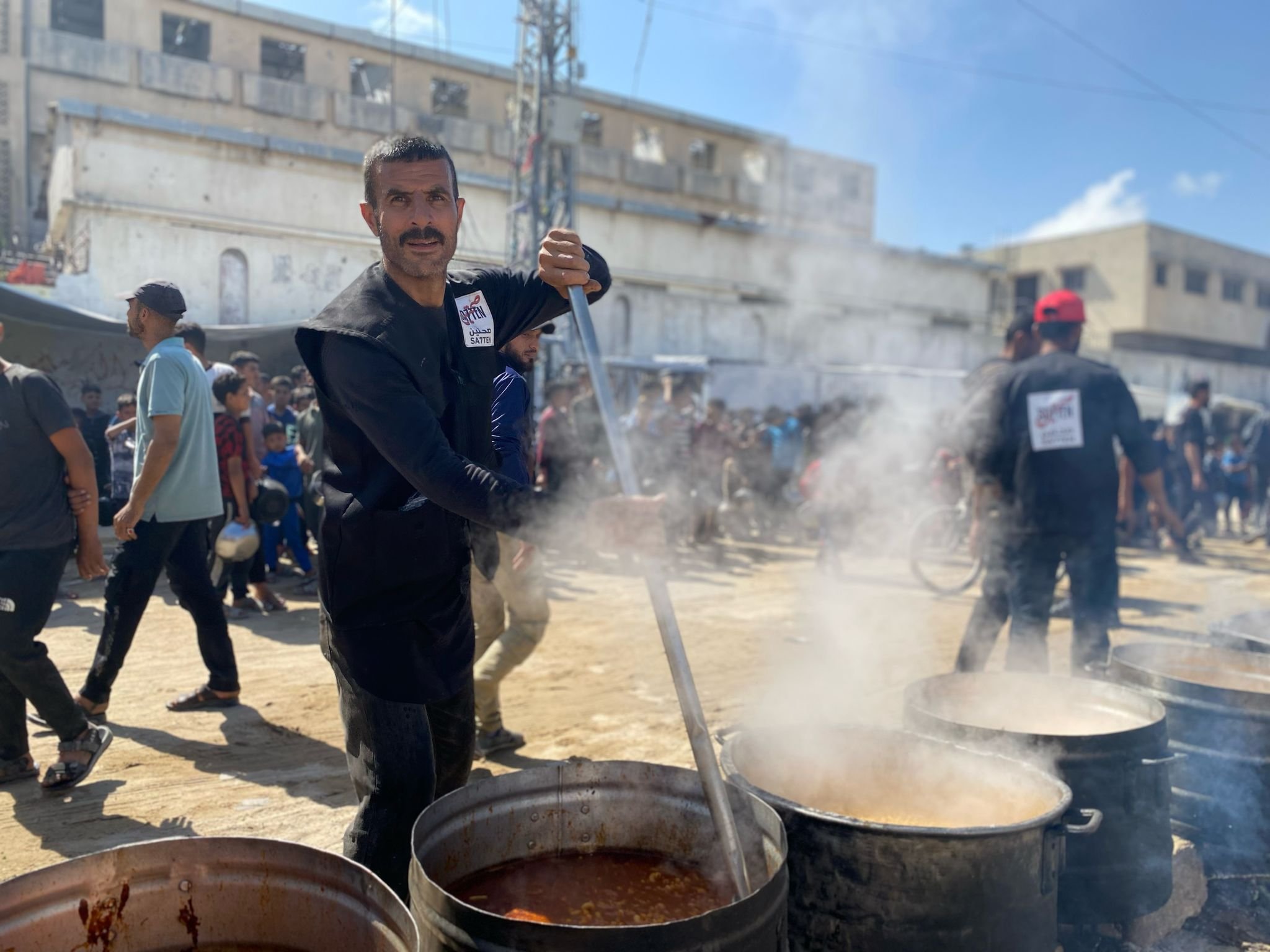
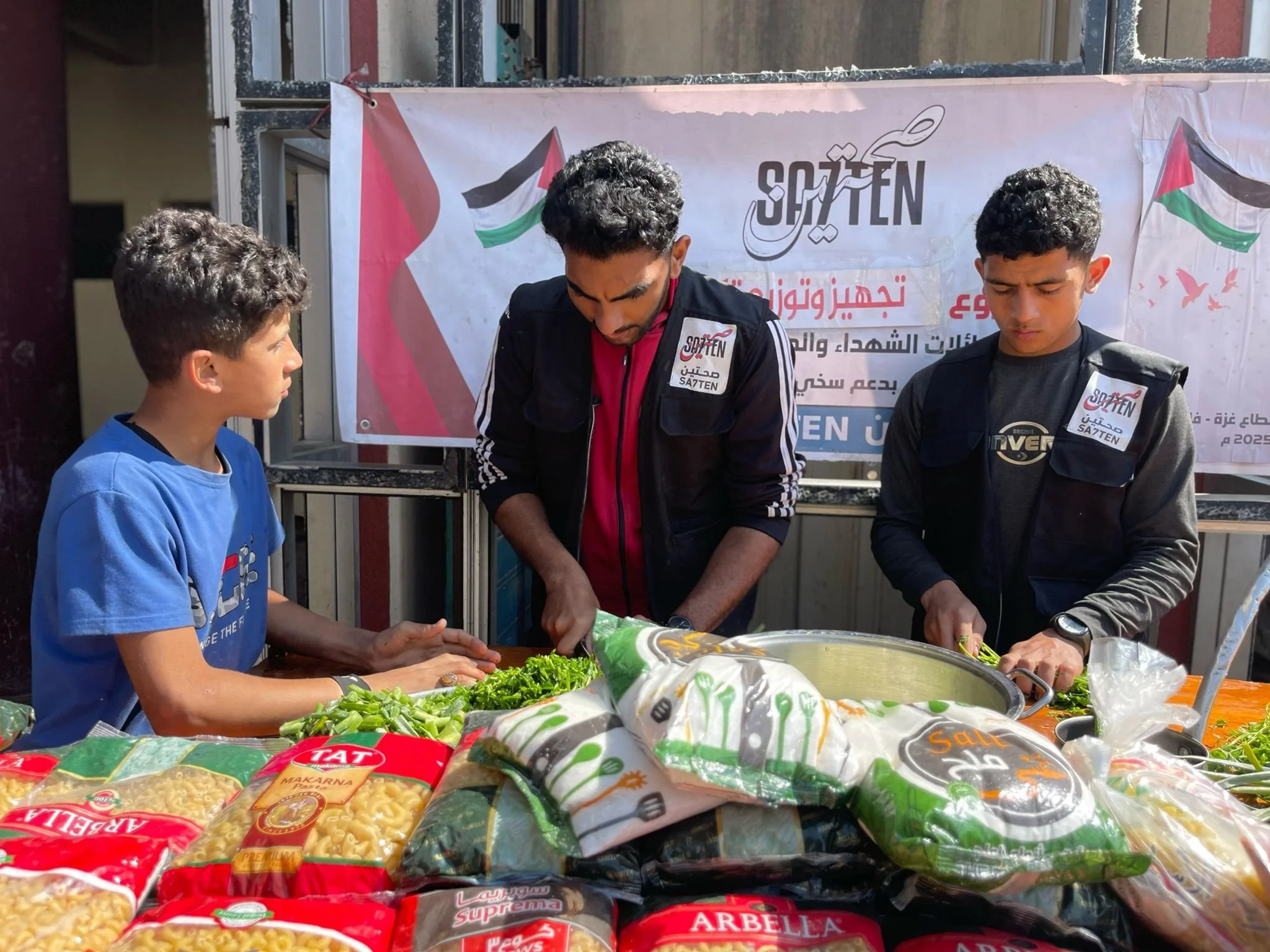
Late April (Last Week, specifically Friday): Large-Scale Cooking at Islamic University
A large-scale cooking activity took place in and around the Islamic University Complex in Gaza in the final week of April. This complex is one of the most densely populated displacement zones, hosting over 1,000 families in its buildings and gardens. Most residents were displaced from eastern Gaza (Shuja'iyya, East Zeitoun, Al-Tuffah) with smaller numbers from northern areas (Jabalia, Beit Lahia).
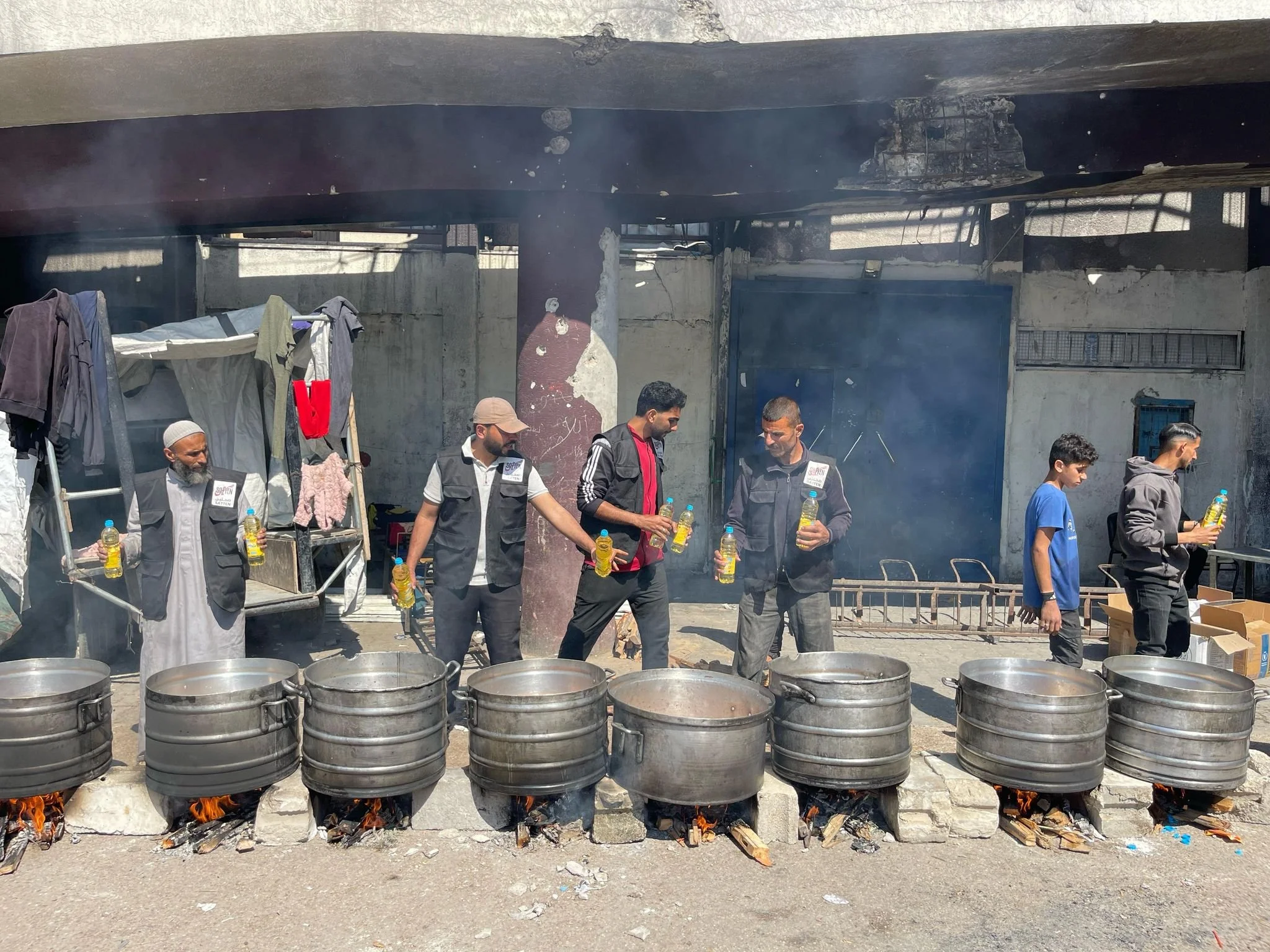
The event was planned and prepared over three days, with intense work on Wednesday and Thursday. This involved procurement of materials like firewood, vegetables, pasta, spices, cooking oil, and supplies, site inspection, coordination with 25 additional laborers, and renting 20 large pots (two were faulty and used for prep). Ingredients like tomato paste, onions, and parsley were sourced from multiple vendors across the city.
On Friday morning, after dawn prayer, the team gathered and started cooking. They prepared 27 large pots of a traditional pasta meal fortified with ingredients like onions, tomato paste, chili, Maggi, salt, black pepper, and cardamom. Optional parsley and cooked vegetables were sometimes included. This activity, with nearly 30 pots, was one of the largest cooking operations since mass displacement began.
Distribution tools included plastic serving containers (sababat) and transportation support like a mule cart and vehicle rentals. Transportation alone cost 1,200 ₪. The total cost of this activity was approximately 24,000 ₪, though the team still owed 3,500 ₪ to merchants at the time of reporting. This reflected liquidity gaps that required postponing payments and relying on vendor trust. Despite cooking 27 pots, the demand remained unmet, with the team estimating that even 30 pots would not have been enough. The extreme cost inflation meant that previous $10,000 budgets could cover 6-8 meals, but now barely covered 3-4.