May 2025 Operations
May continued the pattern of frequent food distributions and introduced varied approaches based on lessons learned, alongside ongoing high costs and operational strain.
Early May: Cooking Near Haydar Abdel Shafi - Pasta
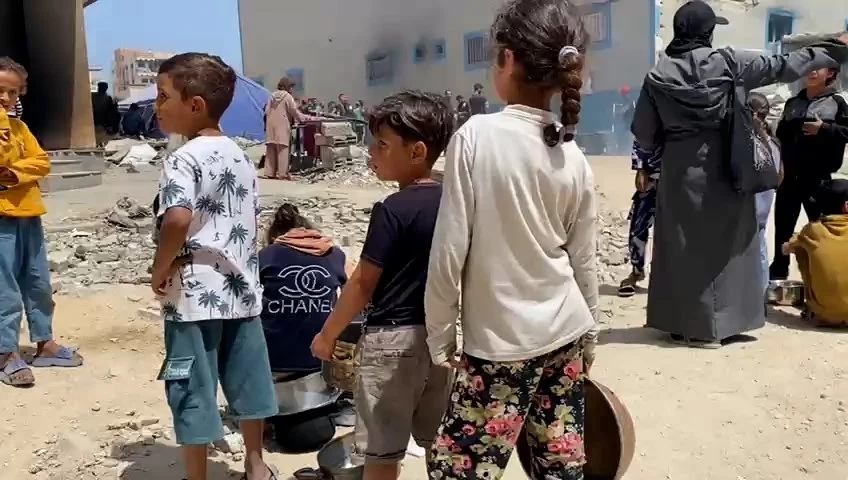
In early May, a community-led food relief operation took place near the Haydar Abdel Shafi Center in southern Gaza City, adjacent to Al-Azhar University and the Al Jawazat zone. Following a difficult rice distribution, the team shifted to cooking pasta, a more affordable and feasible option. This activity specifically targeted scattered communities—neighborhoods with displaced families not in organized camps, who were often overlooked and may have never received assistance.
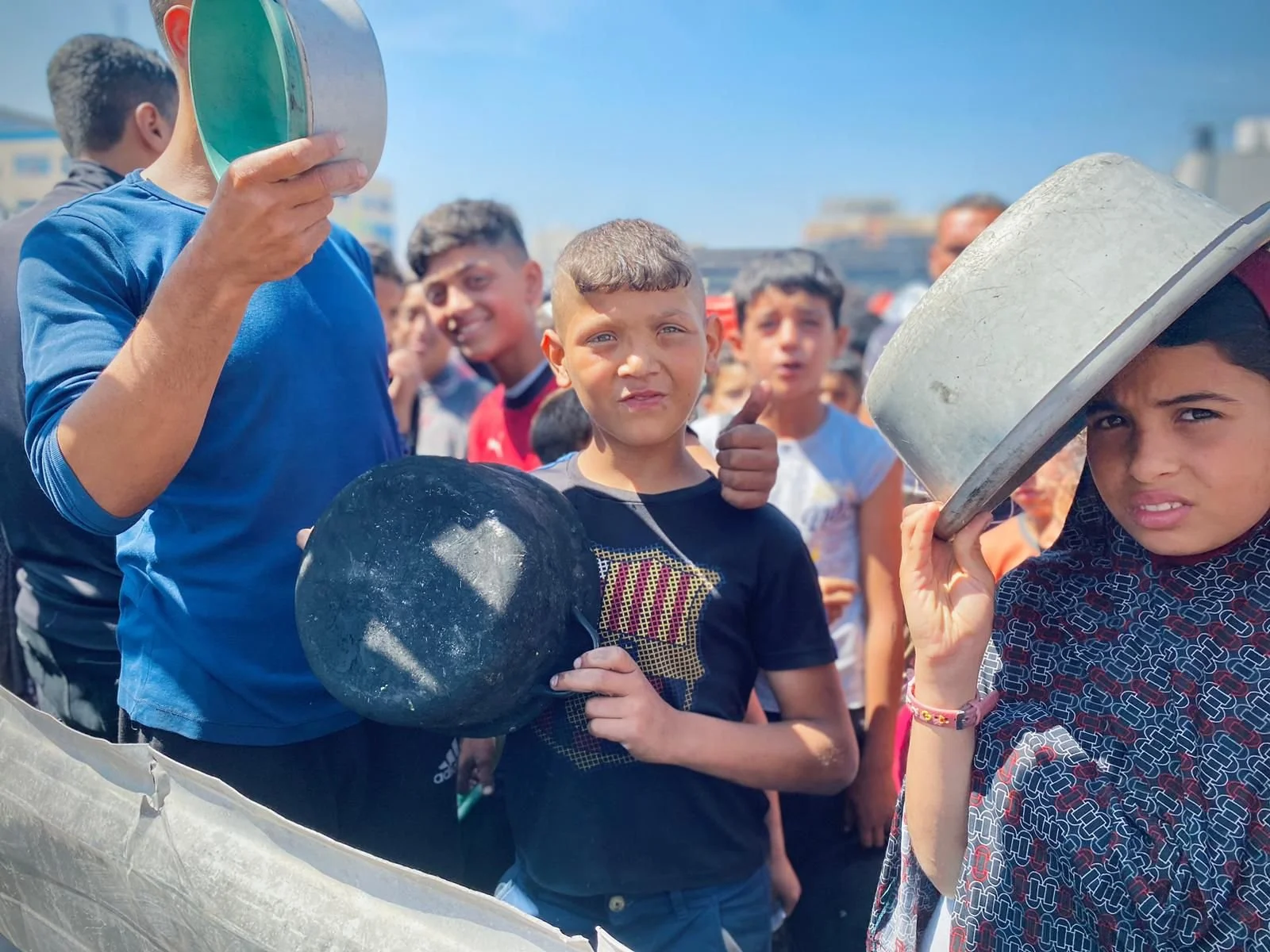
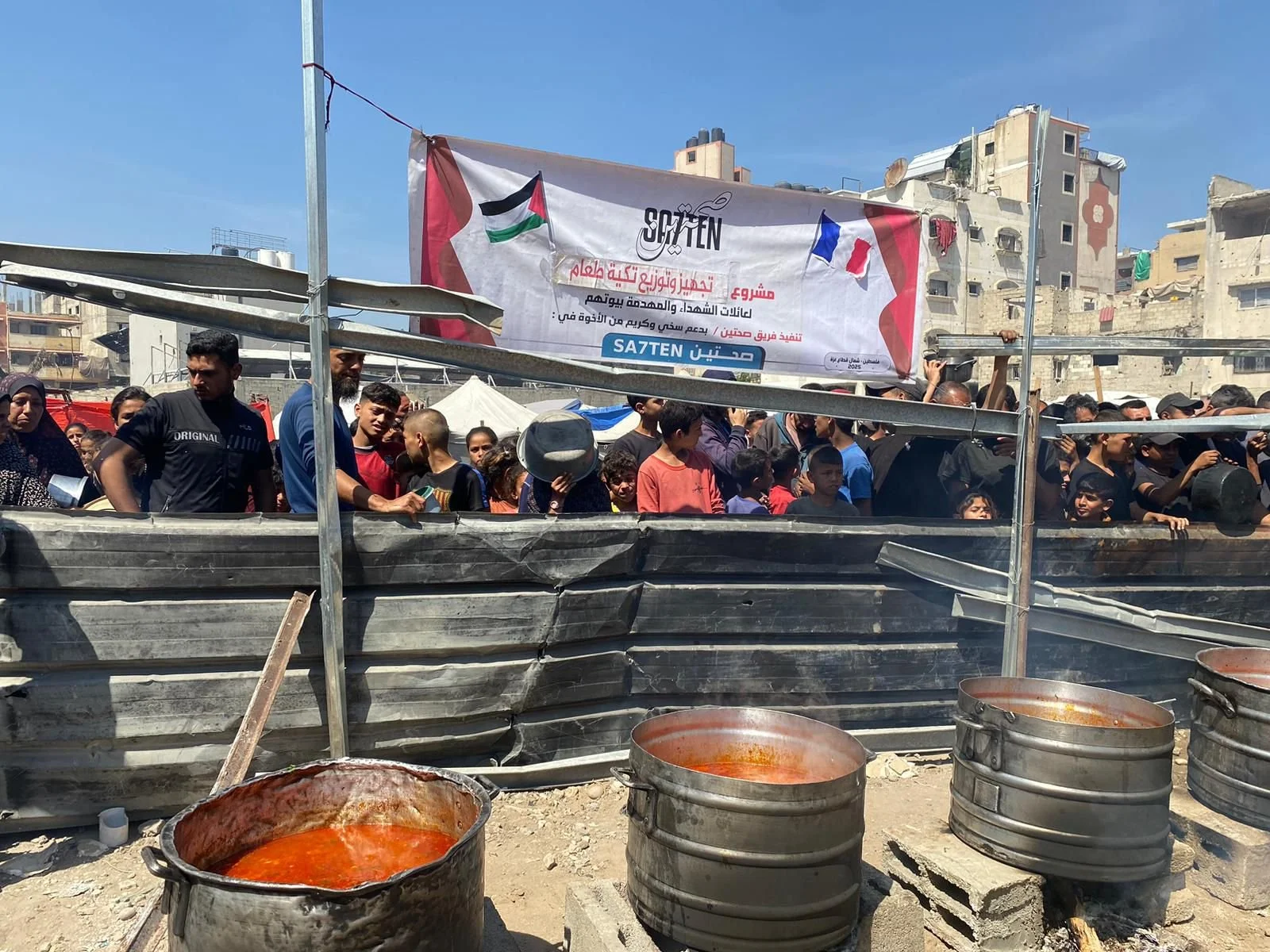
Despite careful preparation, the event escalated into one of the most overwhelming experiences for the team due to the scale and chaos of the crowd. Profound desperation from prolonged starvation and displacement was evident. Cooking and serving hot pasta directly from steaming pots presented challenges, and crowd pressure disrupted orderly serving. Tragically, a team member named Mohammed sustained facial burns from hot pasta spillage, several volunteers received burns to their hands and legs, at least one child was injured, and community members reported others being burned in the crowd's desperation. An incident of gunfire into the air occurred to disperse the crowd.
Crowd control mechanisms were insufficient for the sudden surge of people, overwhelming volunteers to the point of abandoning stations. News of the food spread far, drawing people from distant neighborhoods. The emotional toll was heavy; despite injuries and abuse, the team felt deep sorrow for the people's hunger and their inability to help more. The lack of camp boundaries made flow management impossible. As a planned response shift, the team began exploring non-cooked aid, specifically vegetable packages, to reduce risk and pressure.
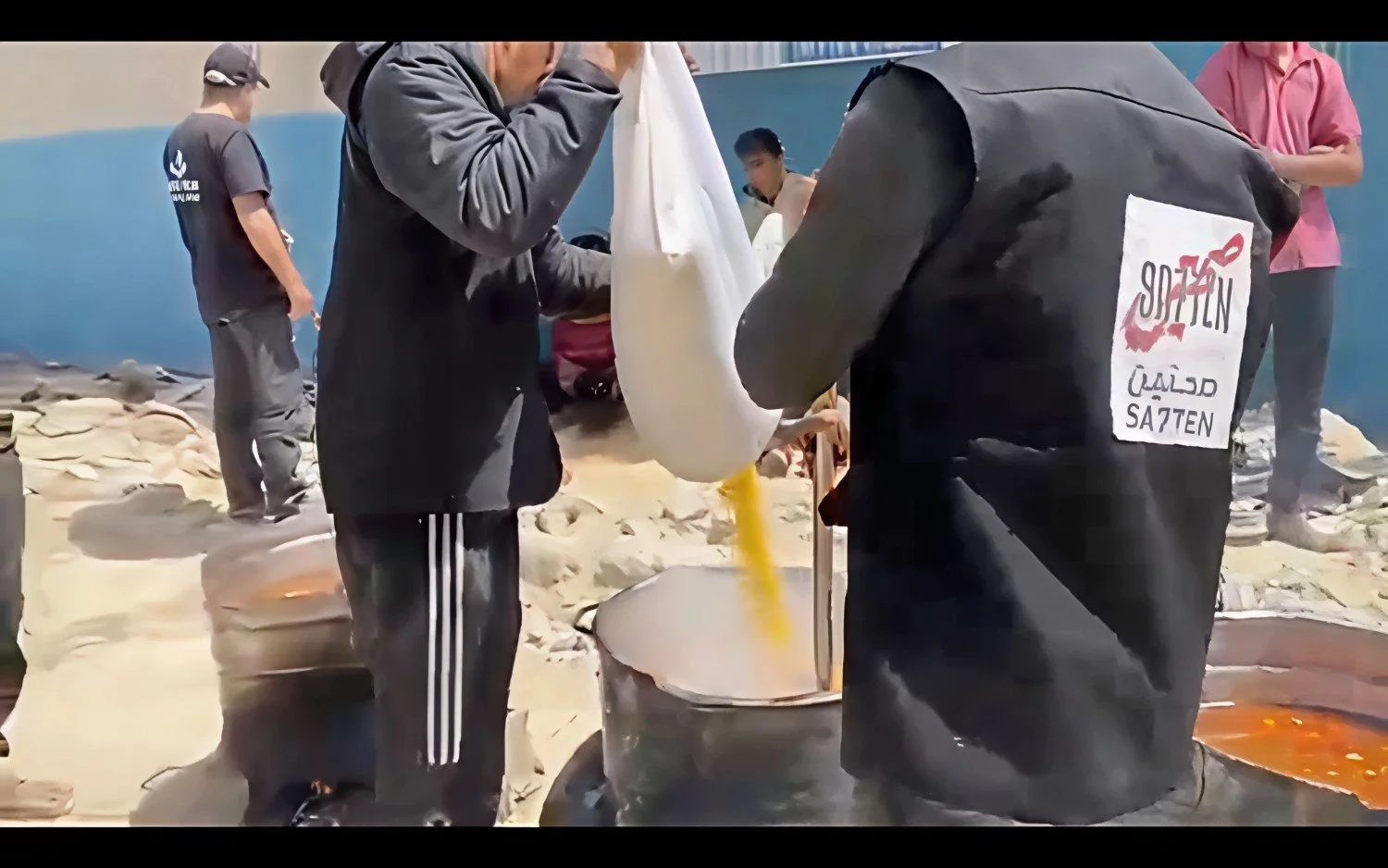
May 6th: Cooking at Al Jawazat Camp - Pasta
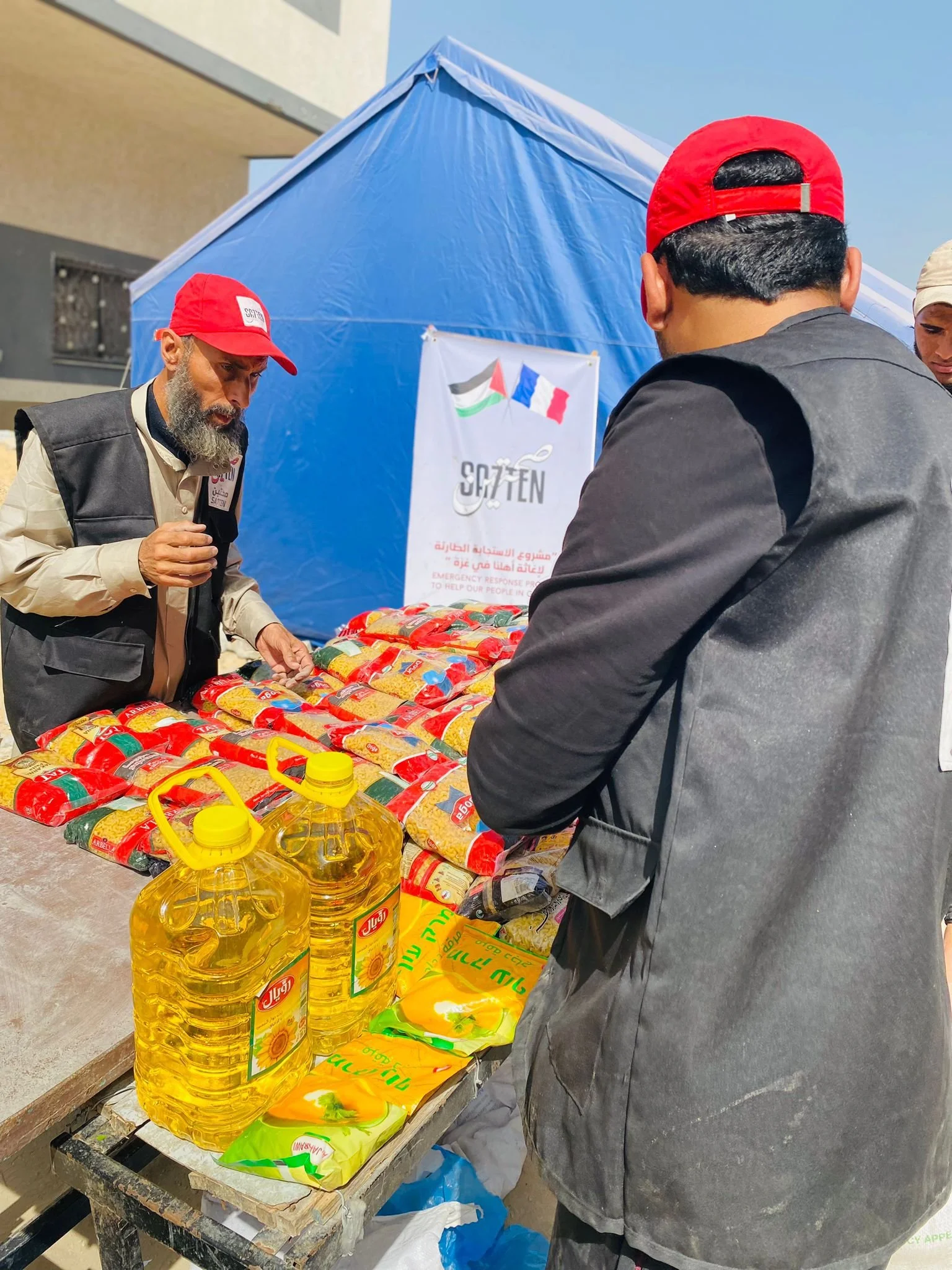
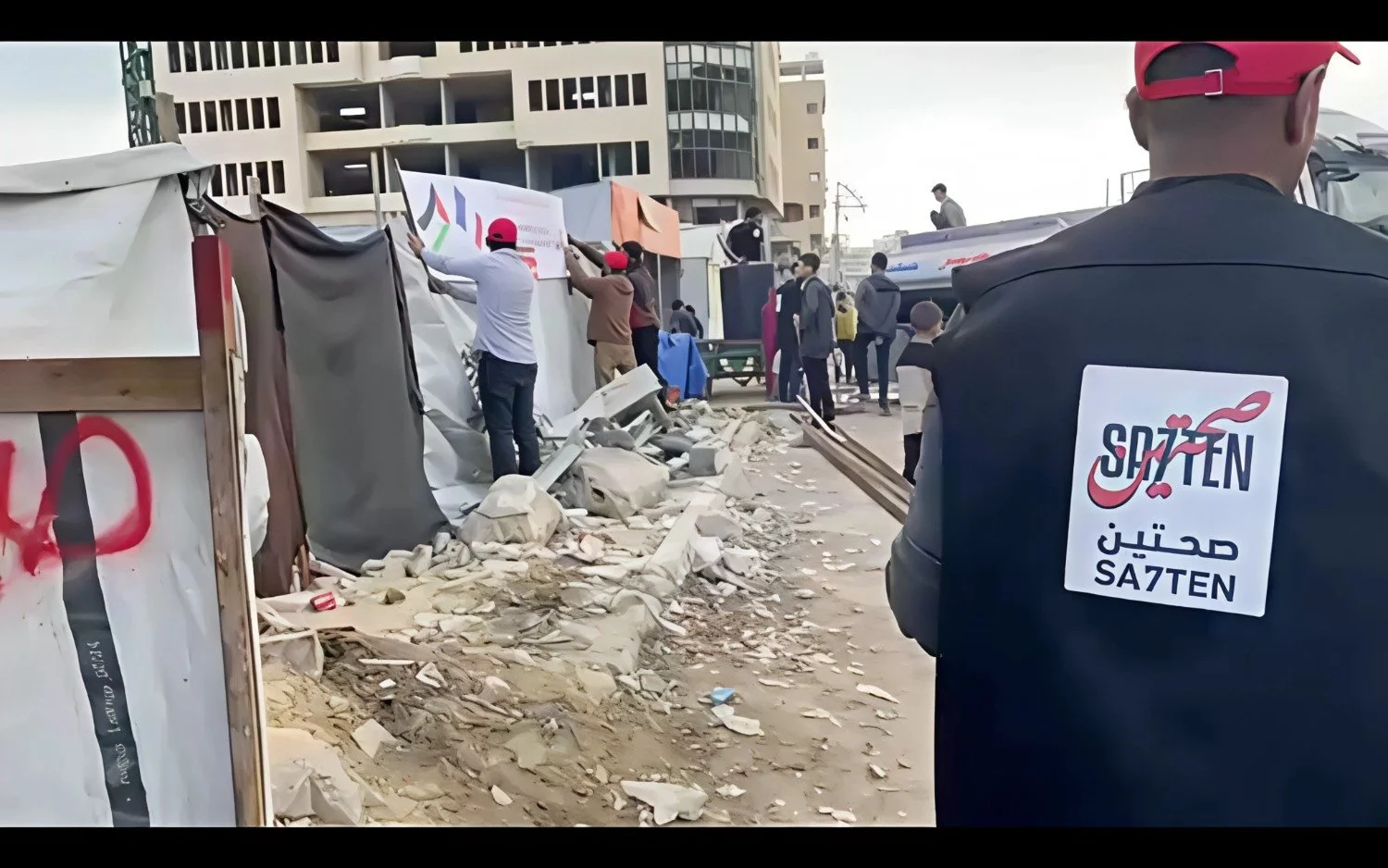
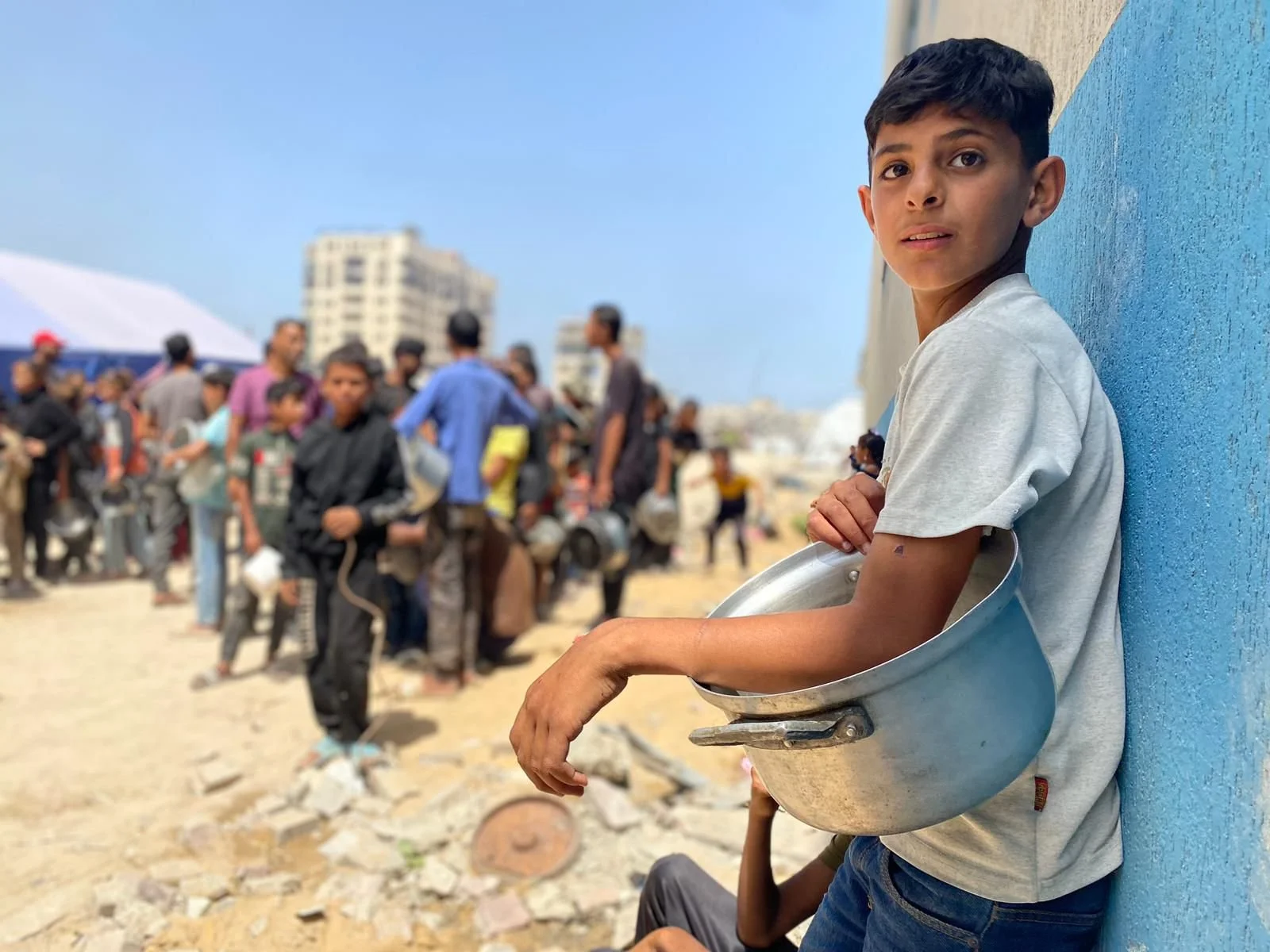
A large-scale hot meal preparation and distribution activity was carried out in Al Jawazat Camp in western-central Gaza City on May 6th. This camp houses approximately 320 displaced families, mostly fled from eastern areas like Shuja'iyya and Al-Tuffah. The activity focused exclusively on this camp, which is closed for security, and was carefully designed to ensure each family received a meal while minimizing disorder. Approximately 105 kilograms of pasta were sourced and cooked despite rapidly rising prices and shortages. The objective was to provide a hot meal to all 320 families, ensure food safety and dignity, maintain order by limiting distribution to registered residents, and demonstrate rapid local response capacity. Ingredients included pasta, salt, hot pepper, Maggi, and mixed spices, though onions and corn were unavailable due to costs and shortages. Market volatility was extreme, with oil prices changing hourly, reflecting inflation and supply chain instability. Coordination with camp administration ensured registration and crowd control. All 320 households received a meal, and residents expressed positive responses of relief and gratitude. The operational learning emphasized that camp-focused targeting enhances manageability and fairness under high demand.
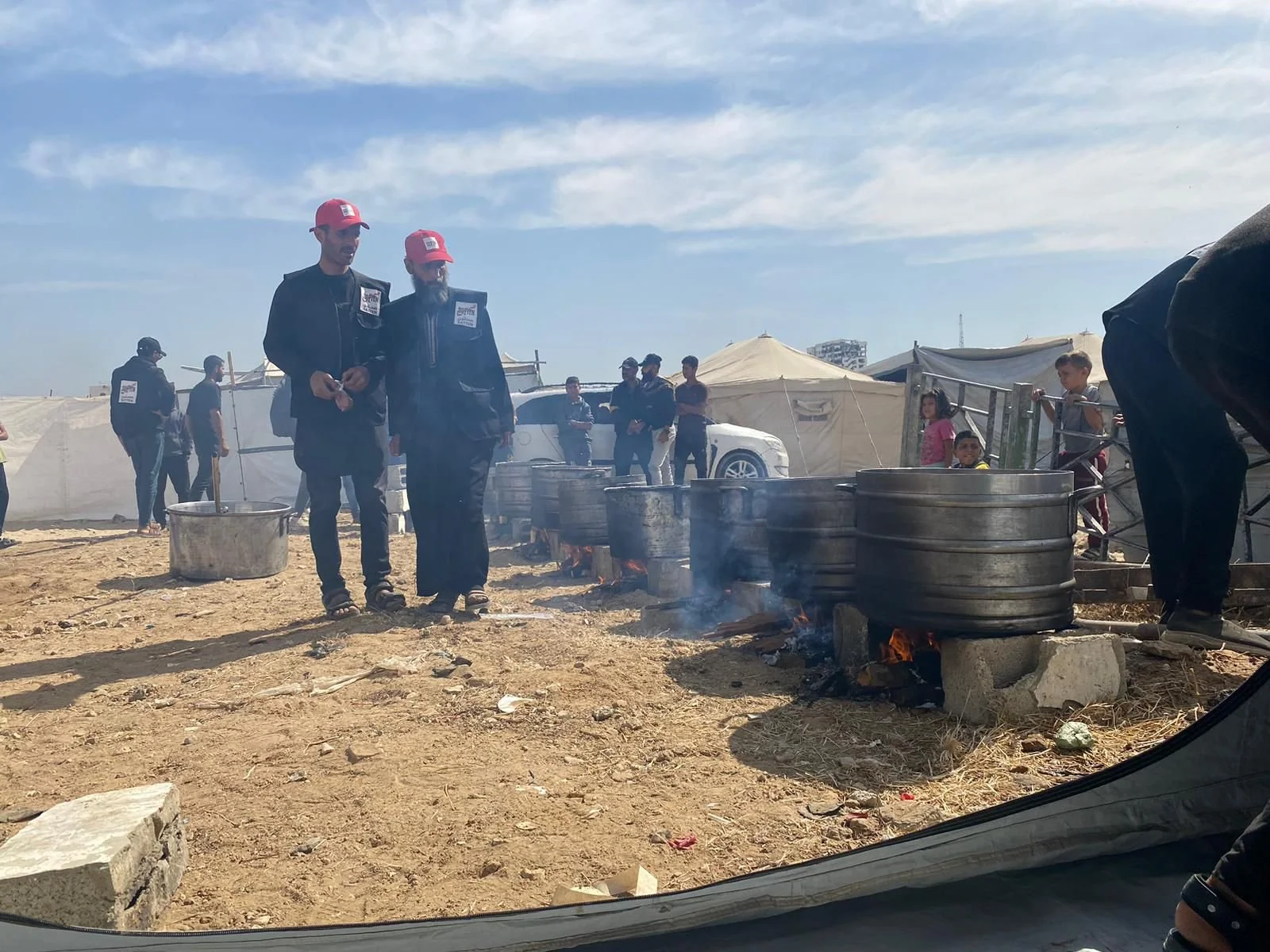
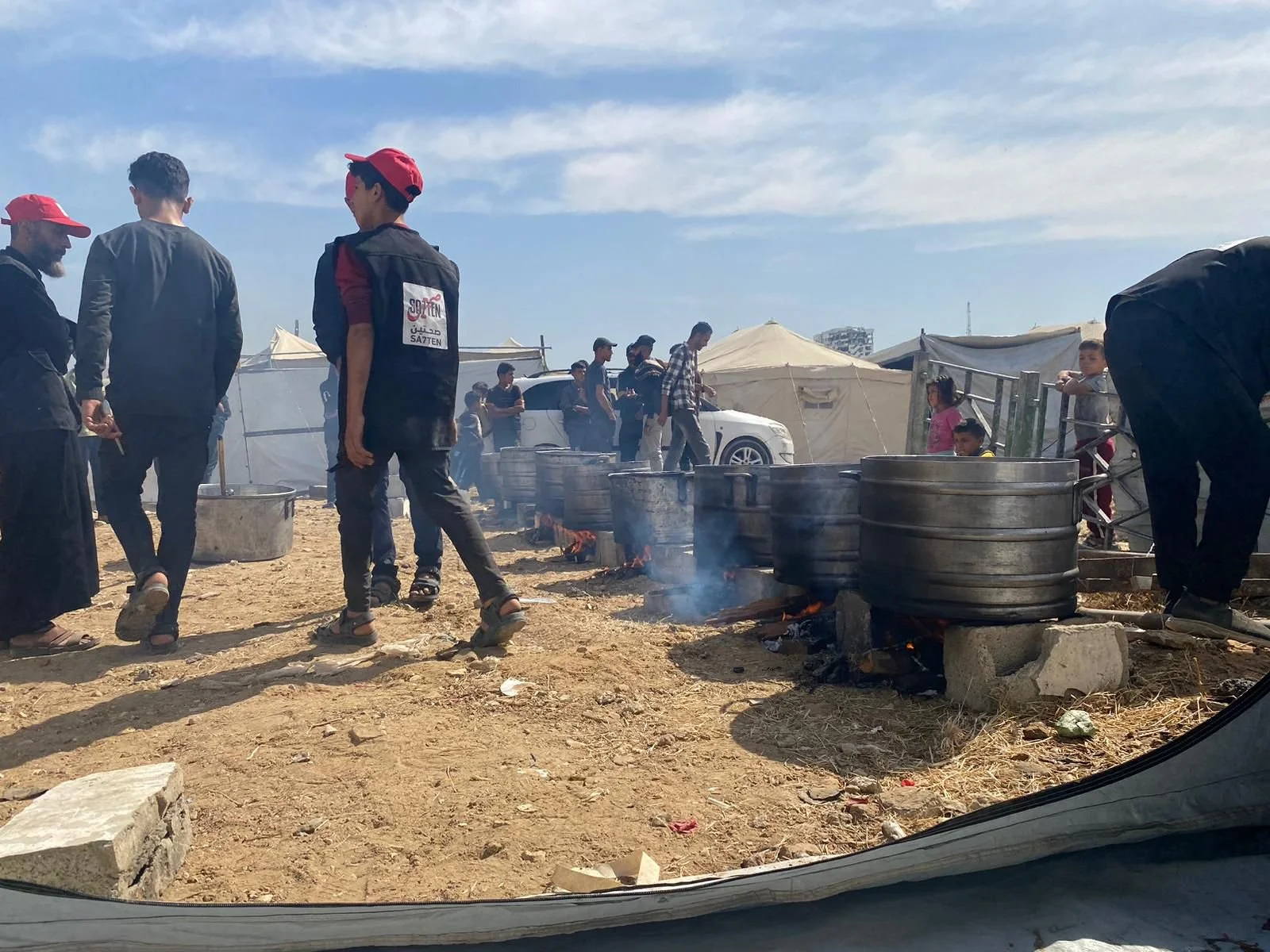
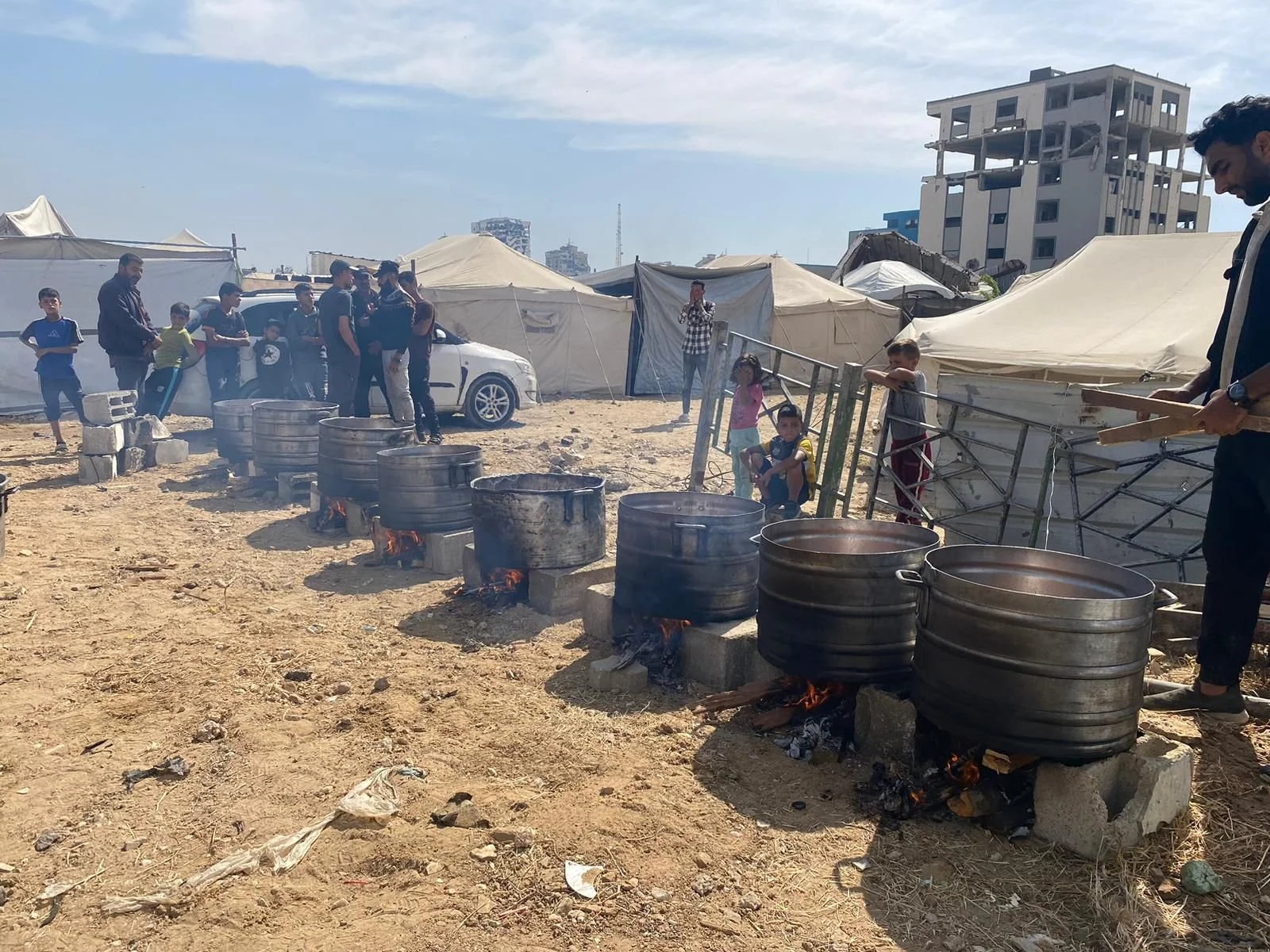
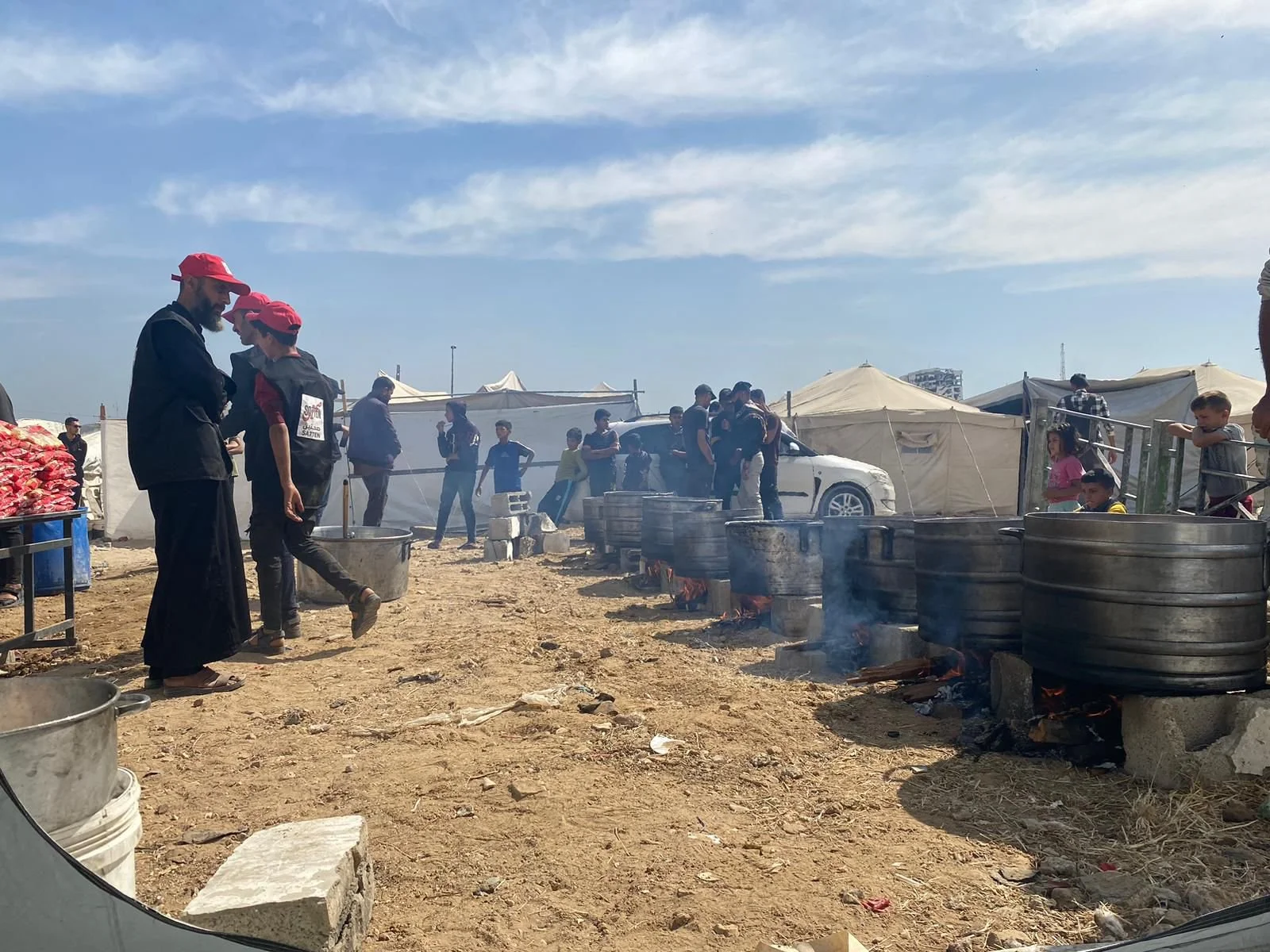
May 10th: Cooking at Al Jawazat Periphery (Rice) & Mukhayyam Sand (Pasta)
Two separates but coordinated cooking activities were conducted on May 10th. The first was near the Al Jawazat buildings periphery in western Gaza City, targeting a camp housing 400-420 families. A rice-based hot meal was distributed. Originally planning for 120kg of rice for 370 families, the team cooked around 200 kg in 10 large pots due to population increase. Securing rice was a challenge due to high prices (30 shekels/kg for short-grain) and difficulty finding it, with alternative long-grain options being overpriced (60-70 shekels/kg). Despite 200kg, it wasn't enough, estimated needing 20 pots to cover everyone, as crowds exceeded expectations. The team aimed to cook with dignity, adding chickpeas for protein and carefully planning purchases. Operational challenges included severe crowding, loss of staff equipment (a phone), inability of videographers to document, and the emotional load from personal grief.
The second activity was in Mukhayyam Sand (Sand Camp) in central Gaza, adjacent to Al-Shuhada Mosque, home to 320 families displaced from eastern Shujaiya. Eight large pots of pasta were prepared and distributed to the entire camp population. Pasta activities were noted as usually more cost-effective and scalable. No specific challenges were recorded for this site, likely due to the smaller scale and easier pasta logistics; proximity to the mosque also helped logistically. Both initiatives demonstrated the team's ability to adapt and uphold dignity under high stress, inflation, and trauma.
May 14th: Vegetable Distribution in Informal Camps
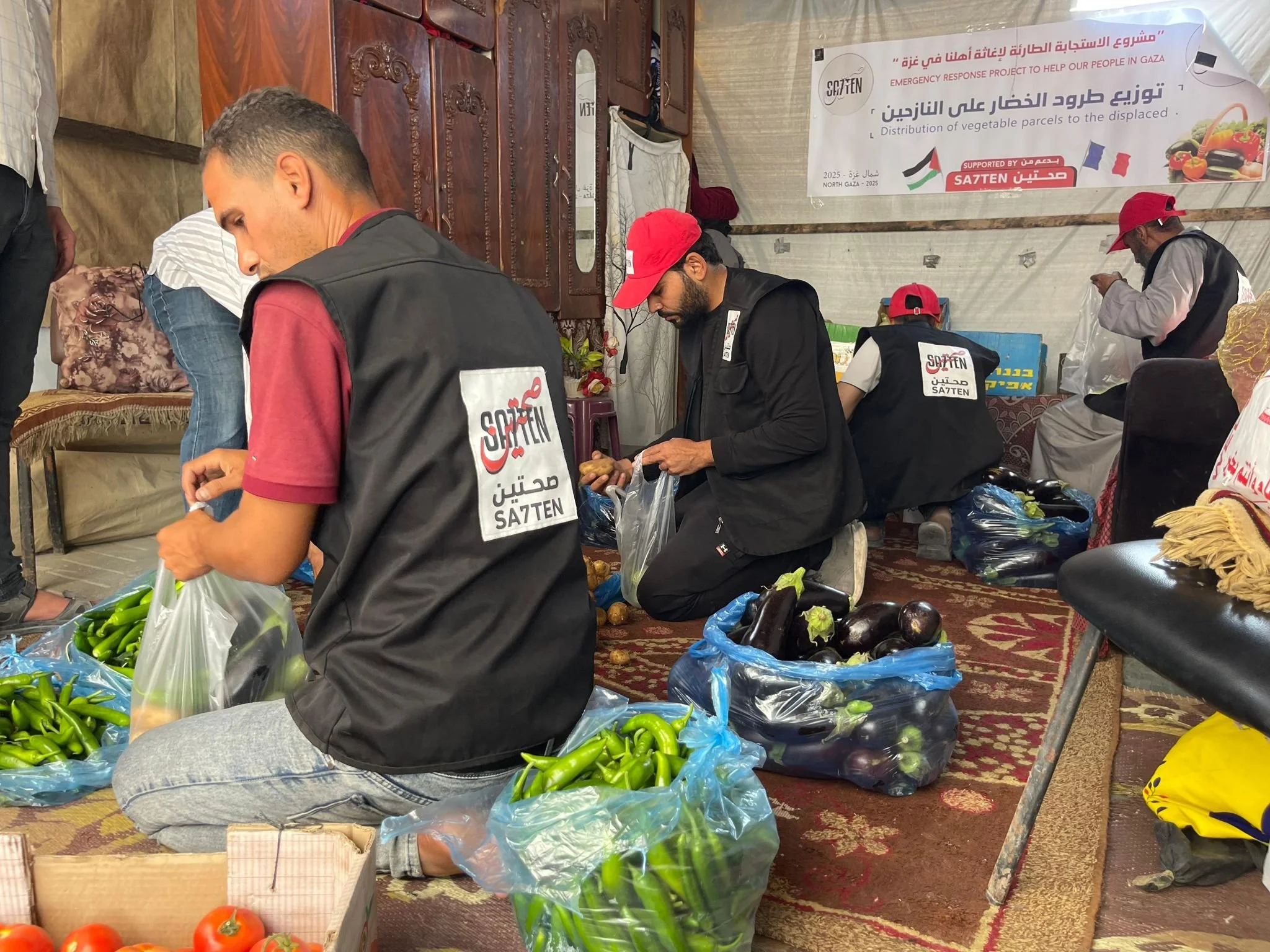
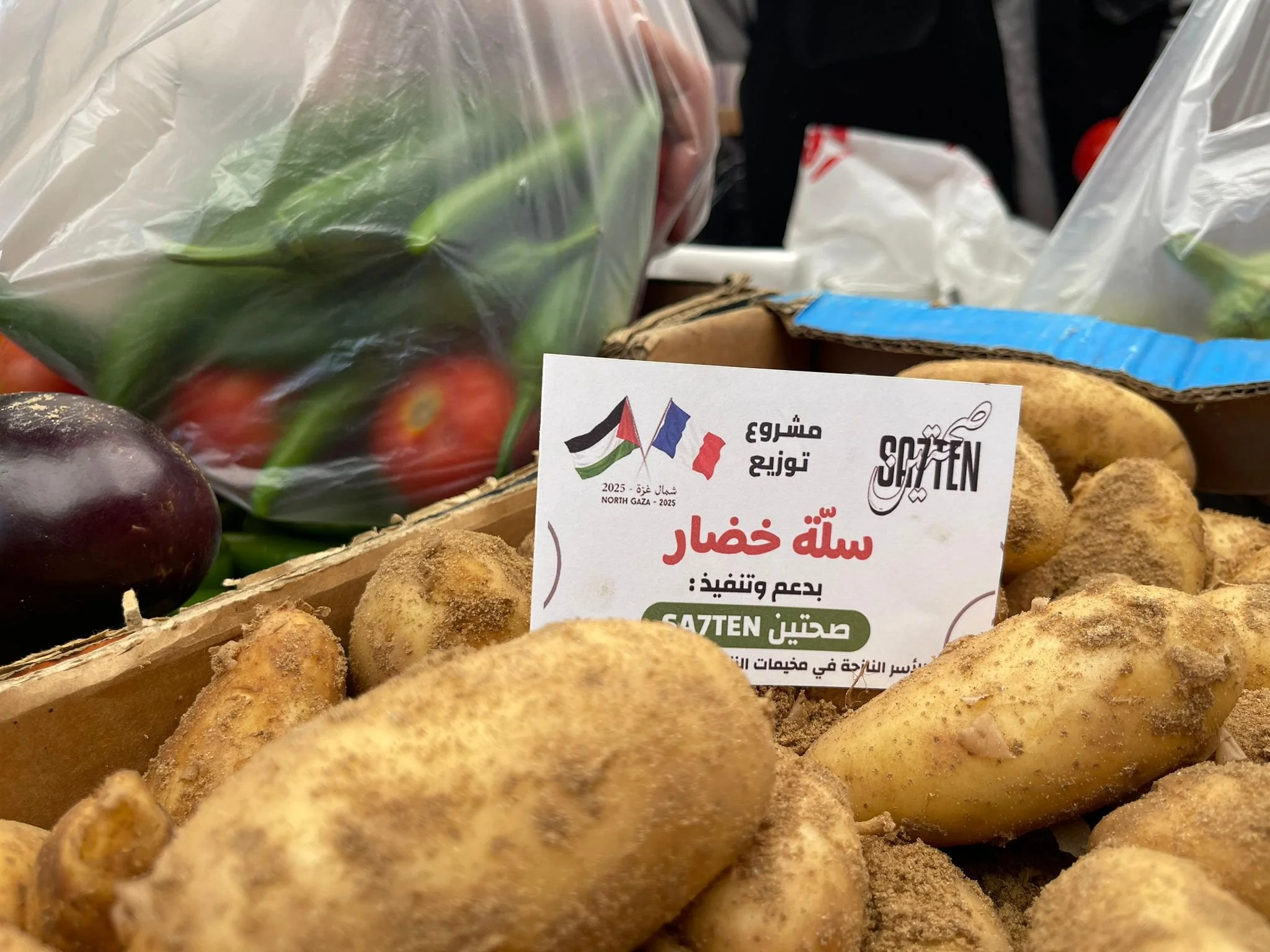
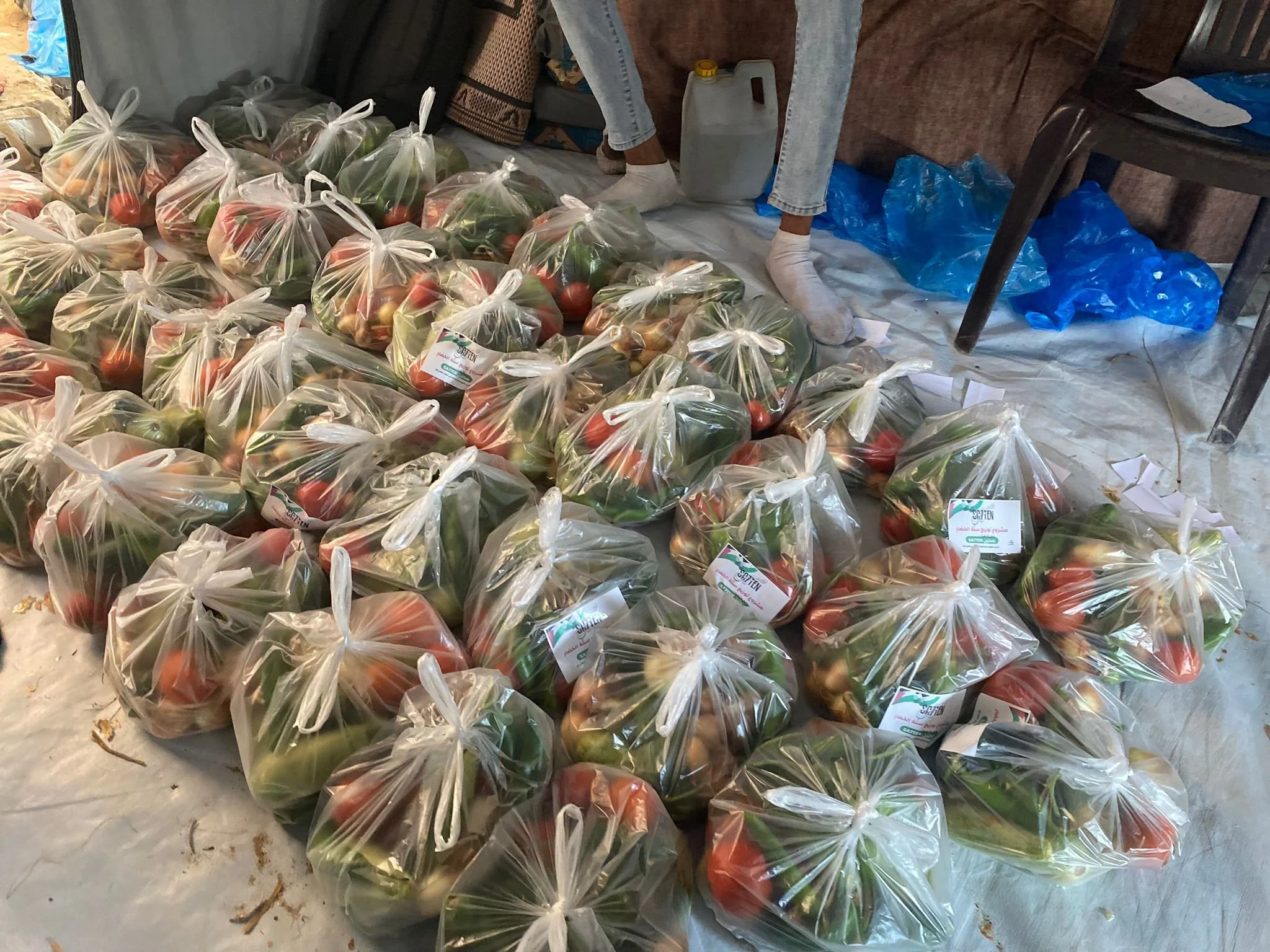
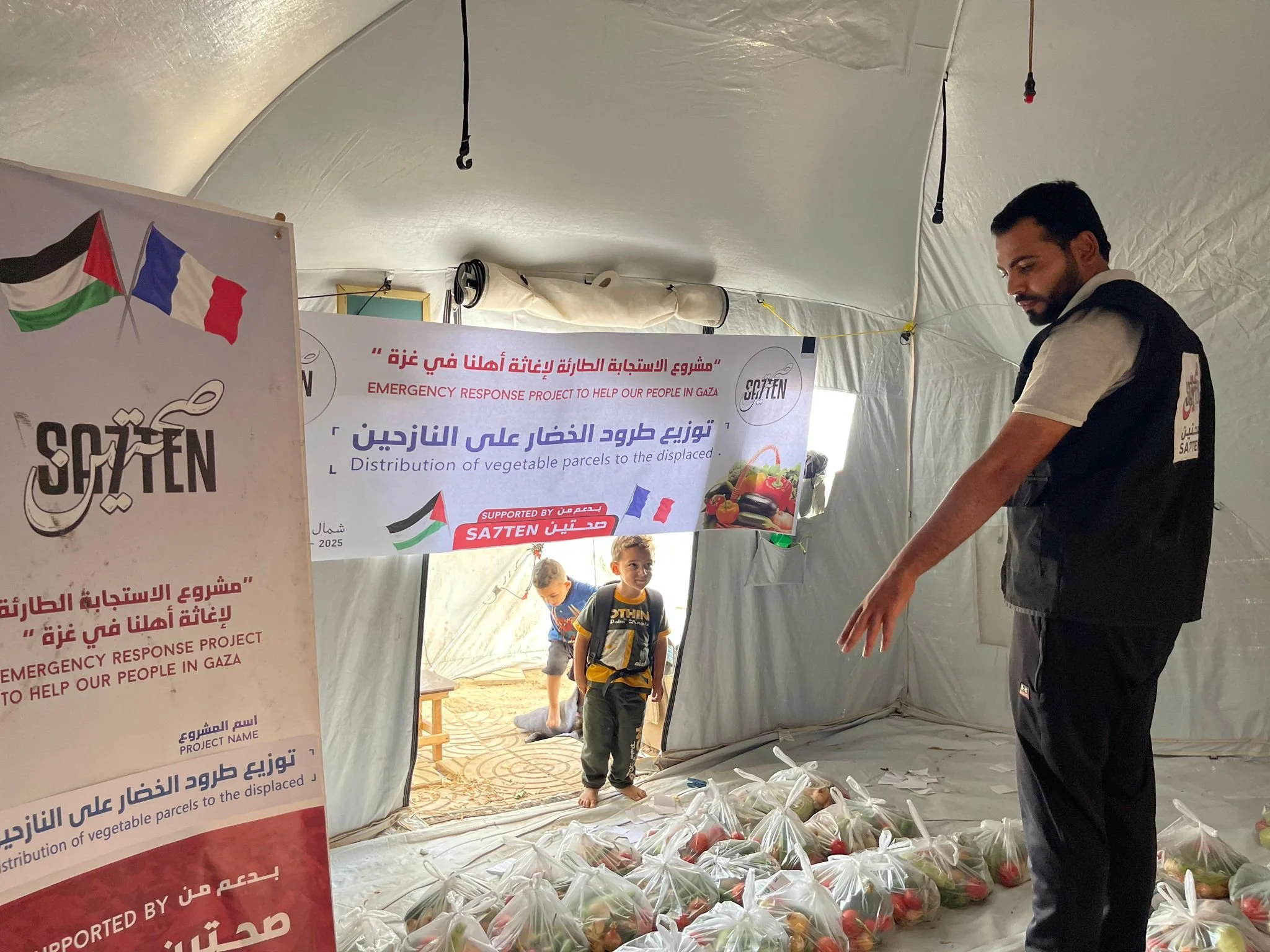
On May 14th, the field team conducted a targeted vegetable distribution in informal and marginalized tented settlements across parts of western and central Gaza. This initiative was an alternative response to past challenges with large-scale communal cooking (tekia) operations that resulted in critical safety hazards and overcrowding, including a volunteer sustaining facial burns and food being discarded. The shift to uncooked, fresh vegetables aimed to mitigate these risks, ensure safe and dignified access to food, and allow items to be used over a couple of days at home. This approach reduced operational hazards and alleviated tensions from scarcity.
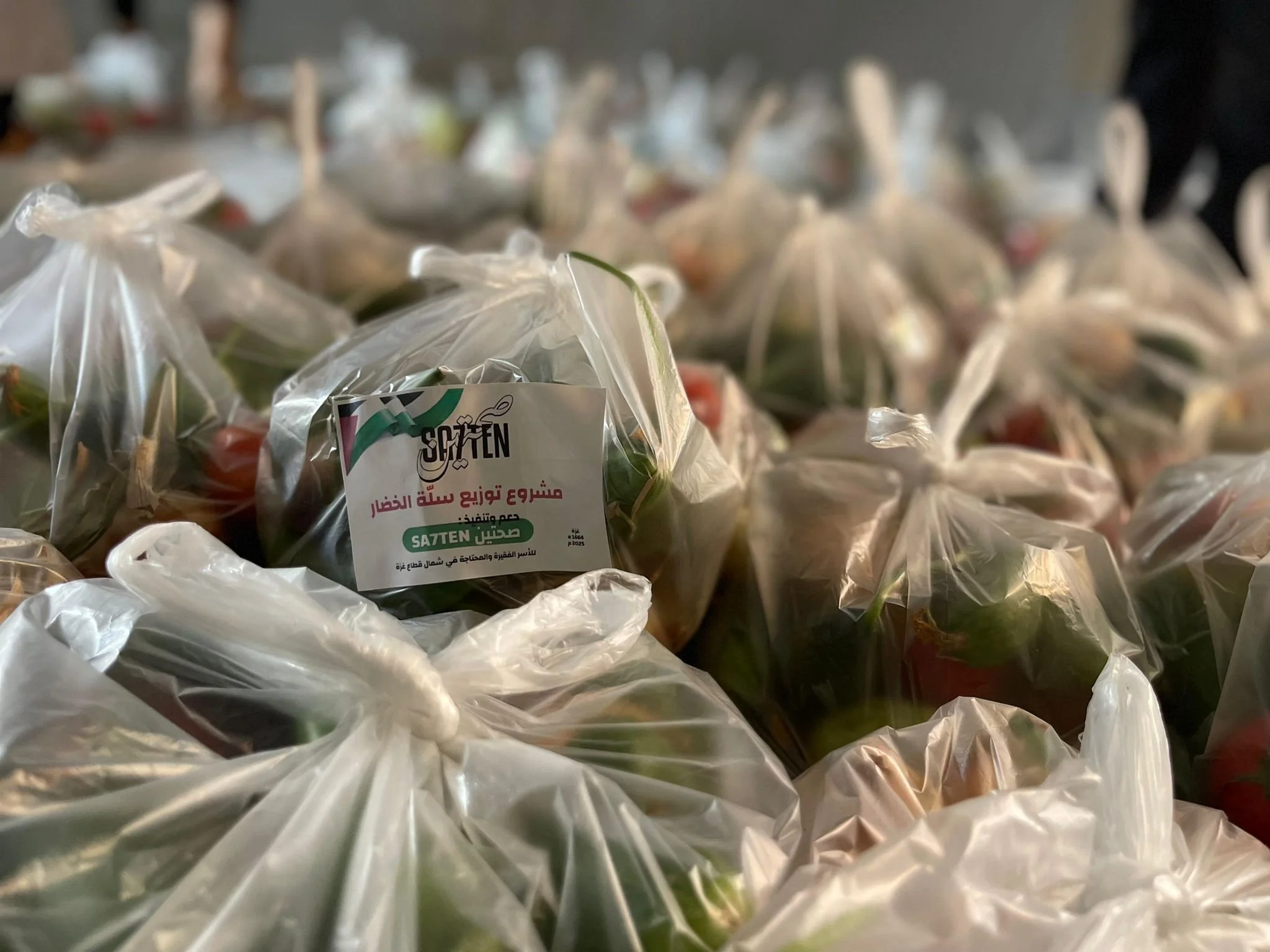
Vegetable baskets were chosen for nutritional value and their inaccessibility and surging prices in local markets. People expressed overwhelming gratitude, some stating they hadn't eaten a basic salad or meat in over 50 days. The initiative focused on unregistered, self-managed tented camps not covered by formal aid, reaching 120 families across scattered sites including Al-Azhar and Yarmouk areas. Distribution was done by vehicle, stopping at tent clusters. Each family received a mixed bag of approximately 3 kilograms. The total cost for 330 kg of assorted vegetables (Tomatoes, Cucumbers, Zucchini, Peppers, Onions, Eggplants) was 14,960 ILS. Distribution was smooth and orderly without incidents, highlighting the psychological impact of receiving nutritious, raw ingredients that offered autonomy. Lessons learned reinforced safety first, the value of fresh produce, the importance of targeting informal camps, and the need for a flexible approach.
May 17th: Sandwich Distribution
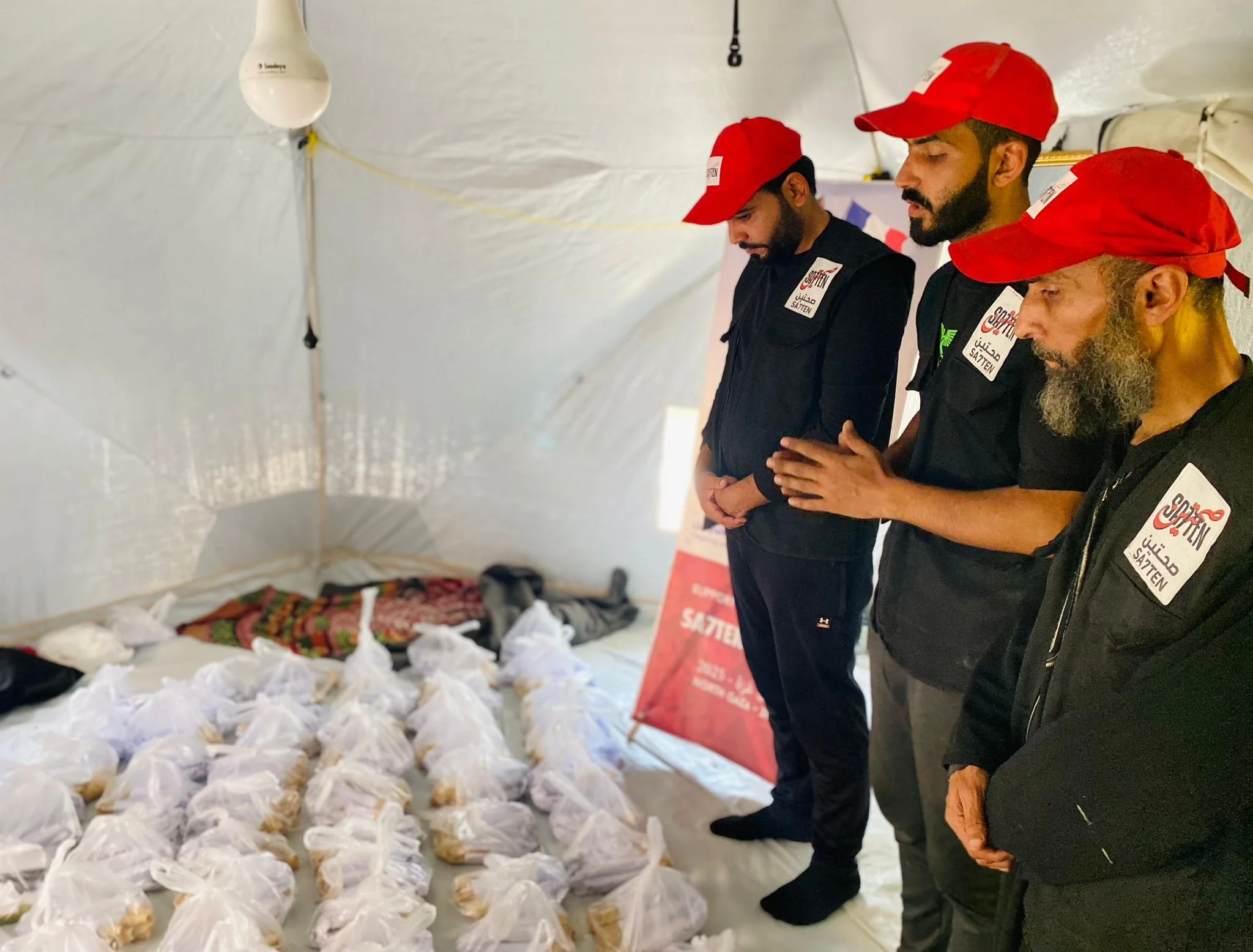
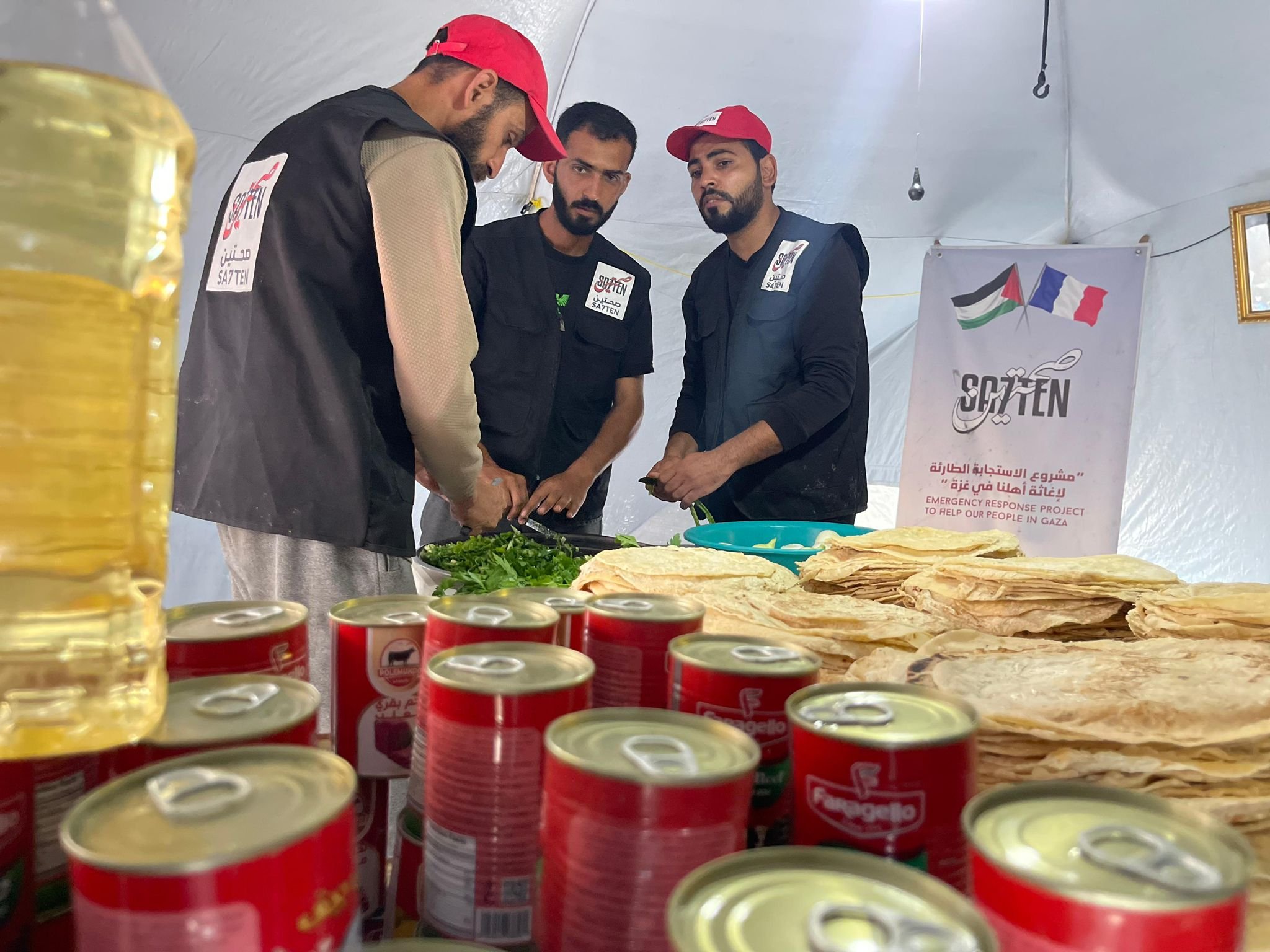
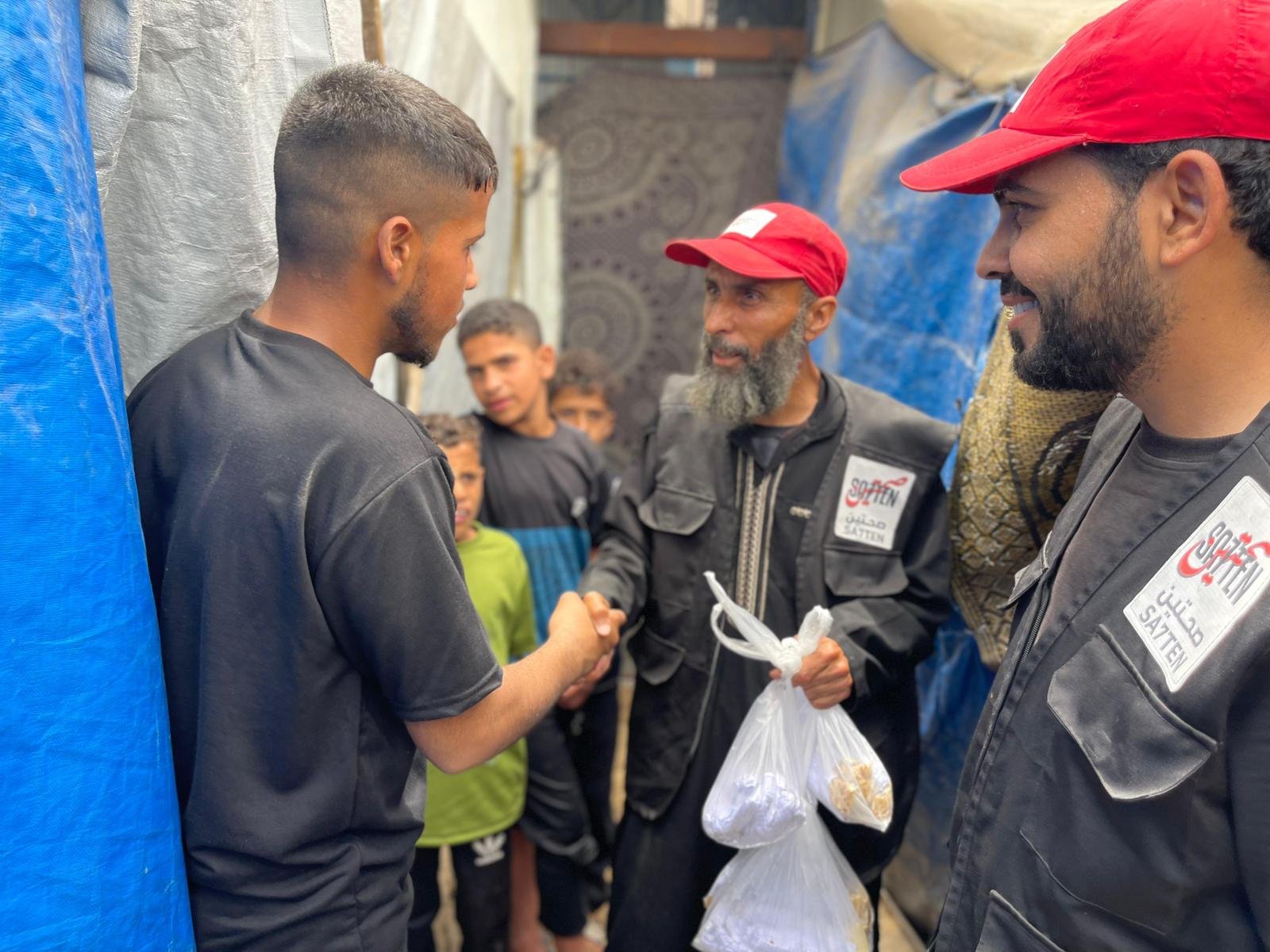
In response to growing hardship, a team carried out a food distribution on May 17th, preparing and distributing 1,000 sandwiches directly to people in tents and informal shelters, prioritizing children, older people, and recently displaced families from areas like Tel al-Zaatar, Jabalia, Beit Lahia, and Beit Hanoun. This was not a routine event, shaped by rising prices, goods shortages, increased displacement, and uncertainty. A simple, mobile approach was chosen to avoid crowds, prevent harm, and maintain dignity. Distribution occurred across parts of Western and Central Gaza using a single vehicle, identifying areas with children, older people, or evident need, and delivering bags containing 7-8 sandwiches each. There was no crowding or injury.
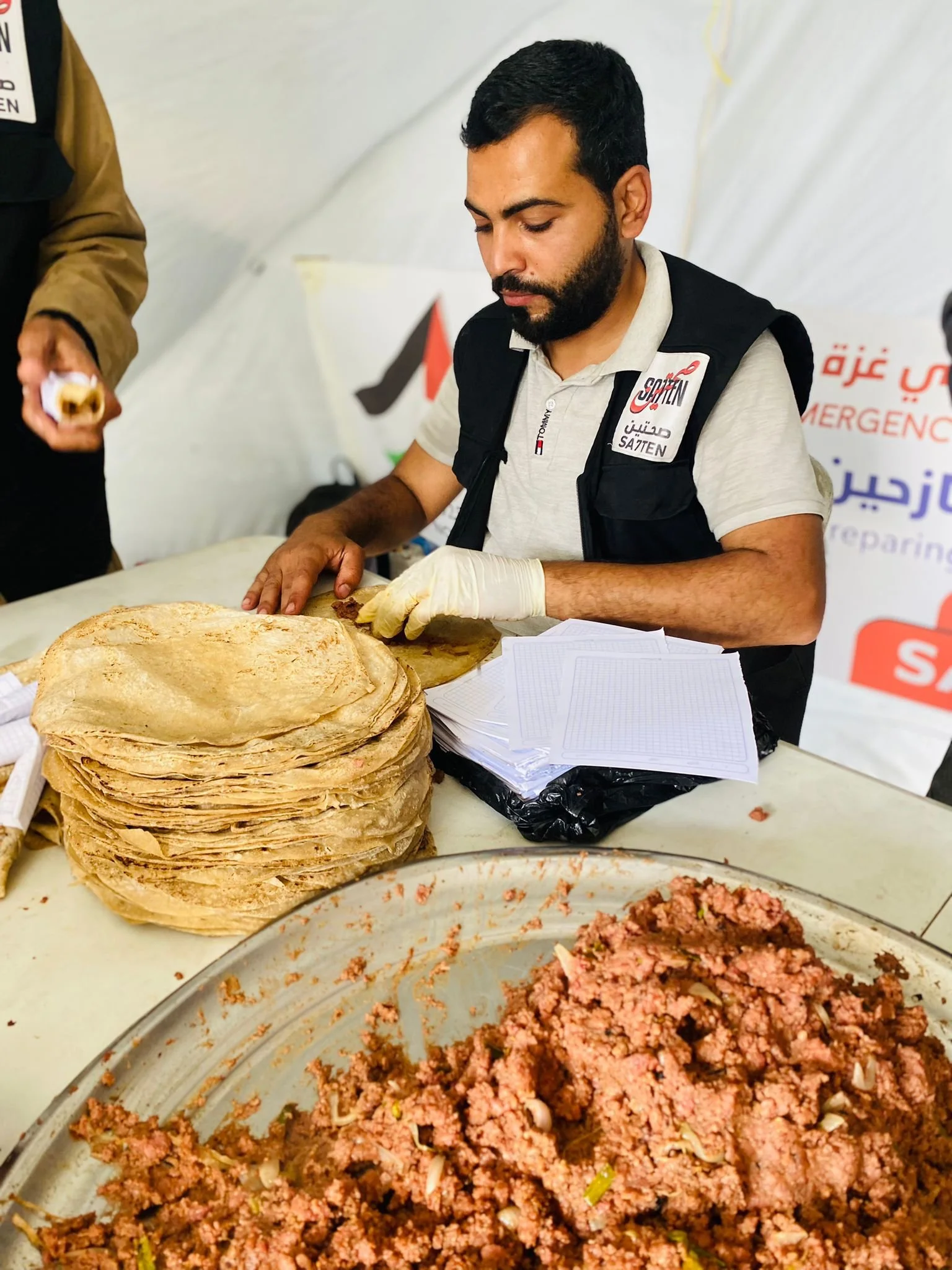
Each sandwich contained flatbread, canned meat, onions, spices, and cooking oil. Sandwiches were chosen over cooked meals based on experience to avoid risks like burns, pushing, and fighting, as they could be prepared ahead, packed cleanly, and handed out quickly. The total cost was approximately 9,500 shekels, with bread alone costing 4,000 shekels (a significant increase from a previous activity). An additional 29% commission was paid to transfer funds from abroad, meaning $1,000 became only 2,450 NIS, bringing the actual financial weight of the activity to over 12,000 NIS. Constraints included daily price increases, limited cash with high transfer commissions, unpredictable availability of goods, growing pressure on families, and the risk of visible distributions causing panic.