
Frequently asked questions.
We believe donors deserve clear answers.
If something's missing, contact@sa7ten.org
-
Sa7ten is a Palestinian-led initiative rooted in the principles of decolonizing aid, upholding dignity (Karama), and fostering agency (Tamkeen). Unlike traditional NGOs, which often operate under humanitarian or charity models, define problems symptomatically, and are donor or headquarters-driven, Sa7ten centers community-led solidarity. It views the issues faced by Palestinians as systemic and political (like occupation and genocide), with decision-making guided by community needs and requests. Sa7ten sees the community as leaders and rights-holders, not just beneficiaries, and prioritizes accountability to the people it serves. Its ultimate goal is empowerment, liberation, and community strengthening, moving away from depoliticized humanitarianism towards politically conscious support aligned with liberation movements.xt goes here
-
Sa7ten" is an Arabic expression, etymologically derived from sahha (health), and commonly used in its dual form, Sahtein, meaning "two healths." This signifies a holistic wish for well-being, encompassing both physical and spiritual health. The term is often accompanied by the invitation Tfaddal ("please, go ahead," or in this context, "come join me, eat with me"), highlighting the communal aspect of sharing and connection. Sa7ten embodies this spirit by committing to partnership with Palestinian communities, seeing them as active participants and leaders rather than passive aid recipients. The name reflects the organization's commitment to nurturing the holistic well-being of communities, grounded in rich cultural values of sharing and collective upliftment. here
-
Sa7ten decolonizes aid by fundamentally rejecting the traditional charity model that can create dependency and silence political realities. It challenges existing power dynamics by placing decision-making power directly in the hands of the community. Sa7ten's actions are guided by the struggle for liberation, not external donor agendas or depoliticized frameworks. This involves prioritizing community needs as they are expressed (e.g., through calls for specific support like water, shelter, medical care) and facilitating community-led solutions, rather than imposing externally designed programs or relying on bureaucratic control. The focus is on solidarity and mutual aid among Palestinians serving Palestinians.
-
Karama, meaning dignity, honor, and respect, is a foundational pillar. It is deeply embedded in Islamic thought, recognizing the inherent worth of all human beings. In the Palestinian context, Karama is intrinsically linked to the struggle for liberation and basic human rights. Sa7ten upholds Karama by meeting people not as beneficiaries but as partners, listening with respect, and providing support that affirms their humanity.
Tamkeen, meaning empowerment or agency, recognizes the power of the Palestinian people to shape their own destiny. Sa7ten fosters Tamkeen by ensuring the community's voice directs its path and by supporting community-led solutions. This involves equipping individuals with the consciousness, tools, and resources to challenge oppressive structures and build self-reliance, independent of external funding structures that might come with political conditions. Both Karama and Tamkeen are seen as interconnected, with dignity being essential for meaningful empowerment, and empowerment providing the means to defend dignity.
-
Sumud, often translated as steadfastness, perseverance, or resilience, is a core Palestinian cultural value and socio-political strategy. It represents the determination to endure and resist in the face of occupation, dispossession, and adversity, rooted in a deep connection to the land and identity. Sumud is an active "art of living" to survive and thrive despite hardship, encompassing daily acts of resistance, cultural preservation, and community organizing. Sa7ten embodies and supports Sumud as a principle of resilience and resistance, seeing its work not just as providing aid, but as helping to sustain this intrinsic spirit of steadfastness against overwhelming pressures. The community kitchens and water packaging initiatives are examples of Sumud in action, showcasing the community's capacity to organize and sustain itself.
-
Traditional international aid in Palestine is criticized for fostering dependency ("de-development"), focusing on donor priorities over local needs, and potentially being politicized or counterproductive. Sa7ten counters these issues by operating as a Palestinian-led, locally-rooted initiative. It prioritizes direct impact and transparency, ensuring resources reach those in need efficiently and bypassing bureaucracy. By centering dignity and agency, Sa7ten avoids a top-down, disempowering model. Its focus on Sumud highlights and supports local resilience and community action, presenting a more effective and ethical alternative grounded in genuine solidarity and alignment with Palestinian self-determination.
-
Sa7ten's operational highlights demonstrate its direct impact and community-led approach. This includes:
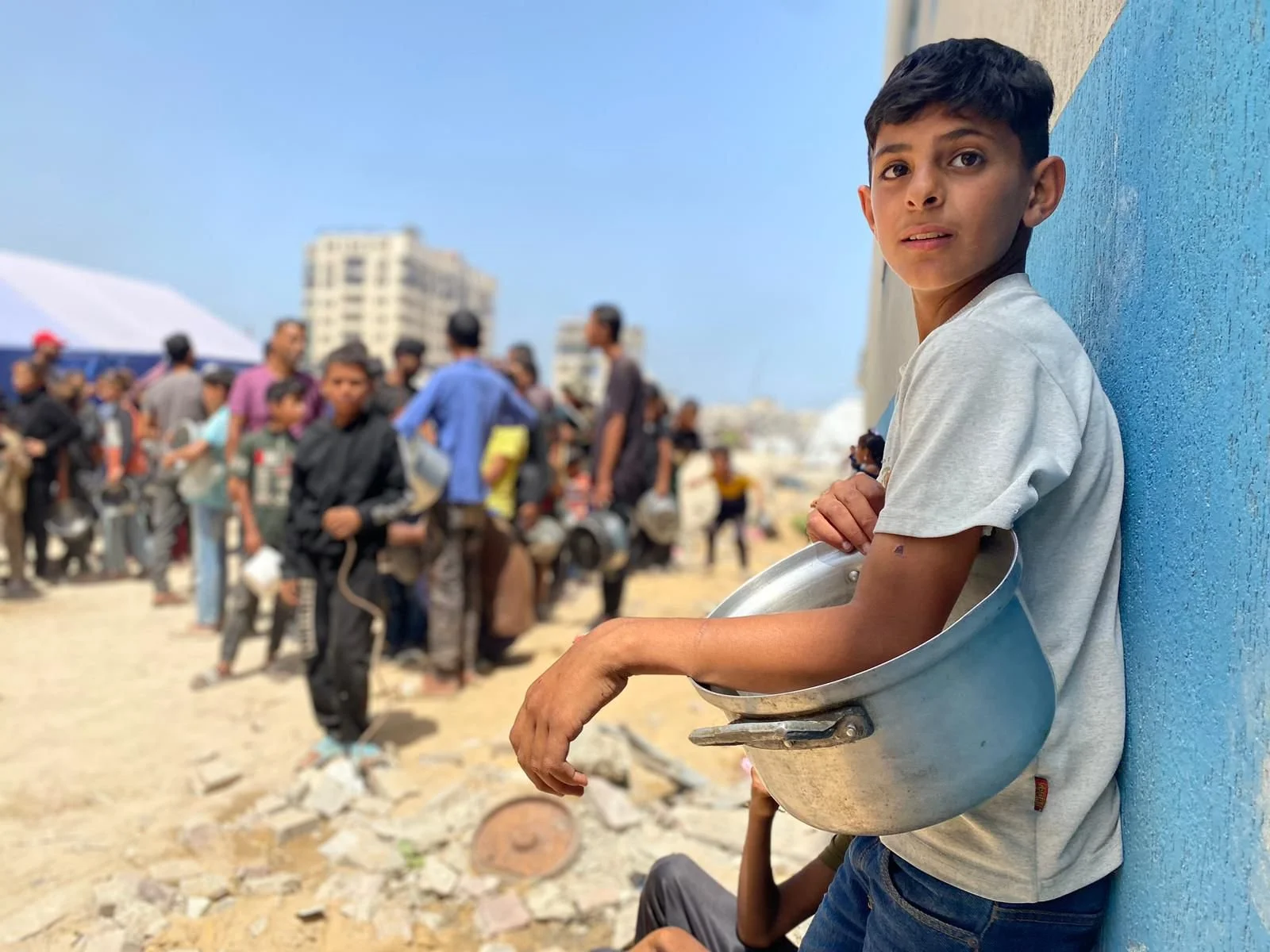
Providing thousands of hot meals daily through community kitchens during Ramadan and other periods, navigating extreme scarcity and working under threat.
Distributing essential items such as food parcels, hygiene kits, and winter aid (like blankets).
Implementing innovative solutions to overcome blockades and scarcity, such as securing machinery to pack drinking water into plastic bags as an alternative to expensive and scarce bottles.
Building community assets like bread ovens to promote self-reliance and long-term alternatives for the community.
These activities are carried out by a network of dedicated local volunteers, ensuring relevance, efficiency, and local ownership, embodying the principles of Karama, Tamkeen, and Sumud.
-
Sa7ten's vision extends beyond immediate aid to building a self-sustaining platform where Palestinian creativity funds Palestinian futures. It aims to generate economic impact through fashion, art, and culture, supporting Palestinian artists while directly funding grassroots aid. The goal is to create a global marketplace and potentially a permanent community space where Palestinian and SWANA (Southwest Asian and North African) creatives can thrive, independent of donations or external institutions. This approach integrates cultural resistance and economic empowerment with direct aid, creating a long-term ecosystem rooted in preserving Palestinian identity and strengthening economic independence.