
Inside Gaza, every act of feeding becomes a battle against siege and silence.
“I feared an incursion was at the door. If they entered, we could lose everything, the food, the supplies, even our homes. That’s why we rushed to act.” This captures the dilemma we faced.
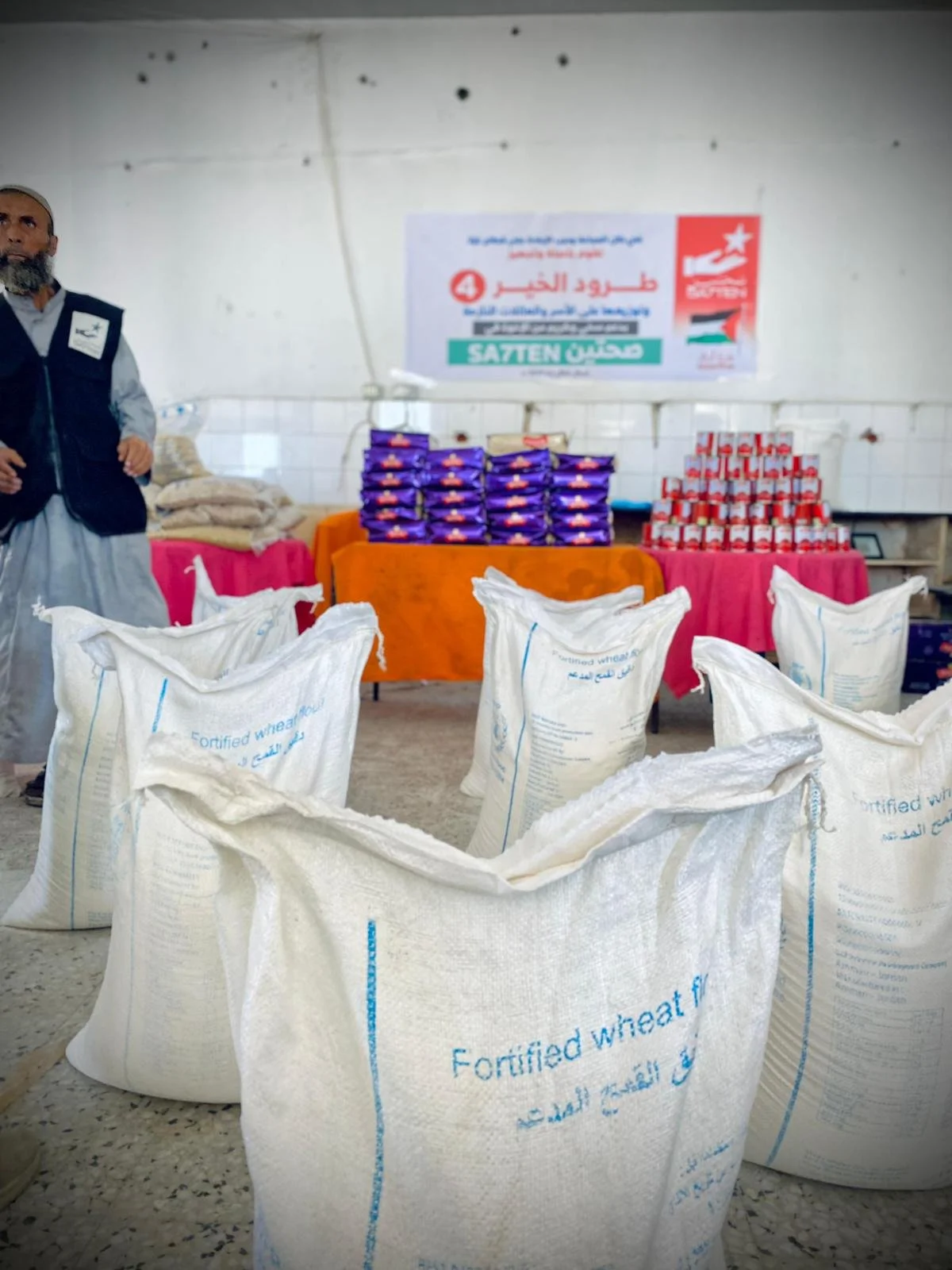
As Sa7ten, we had gathered a stock of rice, pasta, oil, and tomato paste so we could keep cooking and distributing without interruption. But under the closing circle of bombardment, nothing was safe. Even flour, which we finally managed to bring in, ten heavy sacks divided into smaller portions for families, was at constant risk of being lost in an instant. There was no room for hesitation. We planned the distribution one night and carried it out the next, knowing that delay could mean losing both the food and the chance to feed our people.
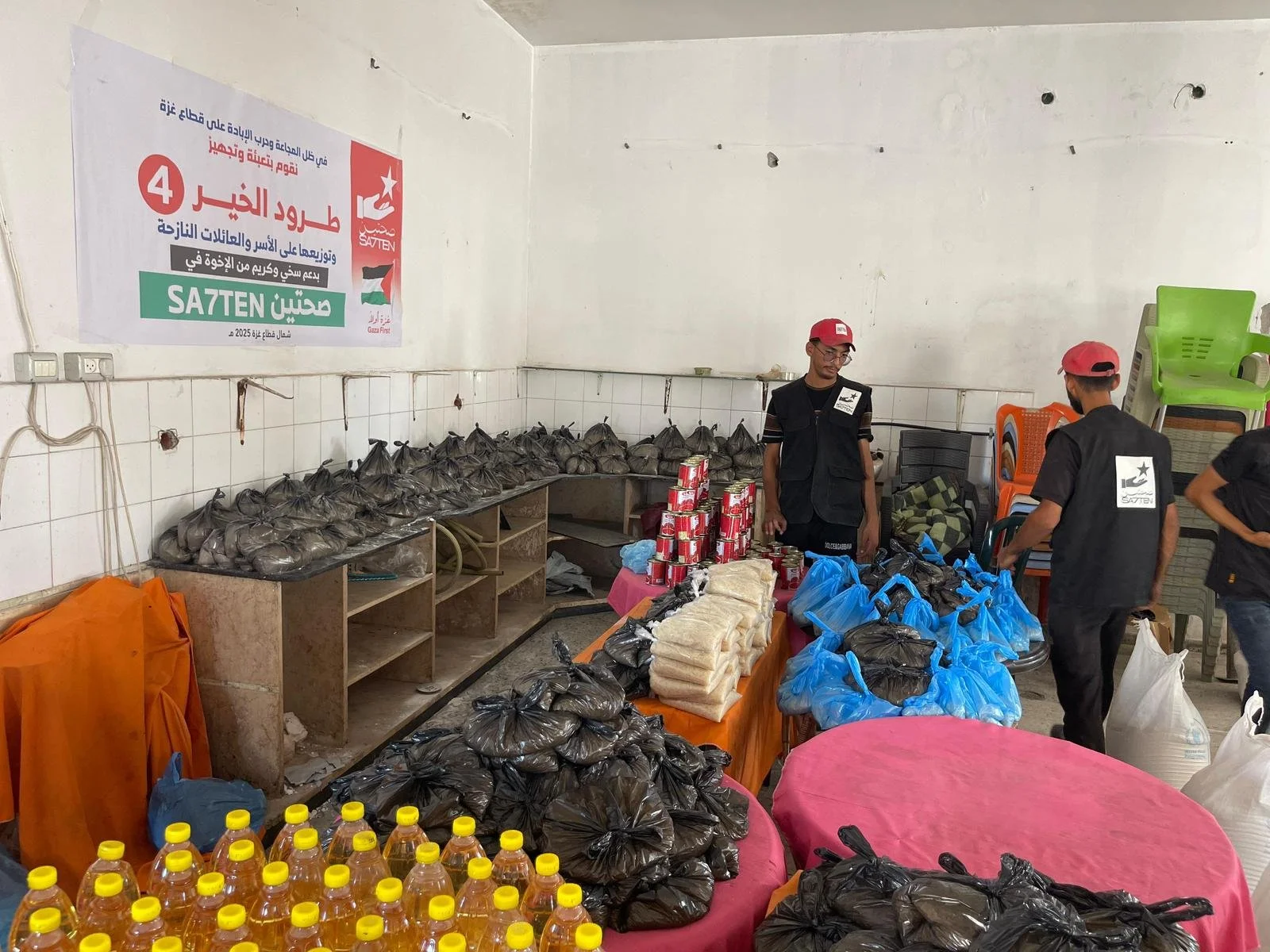
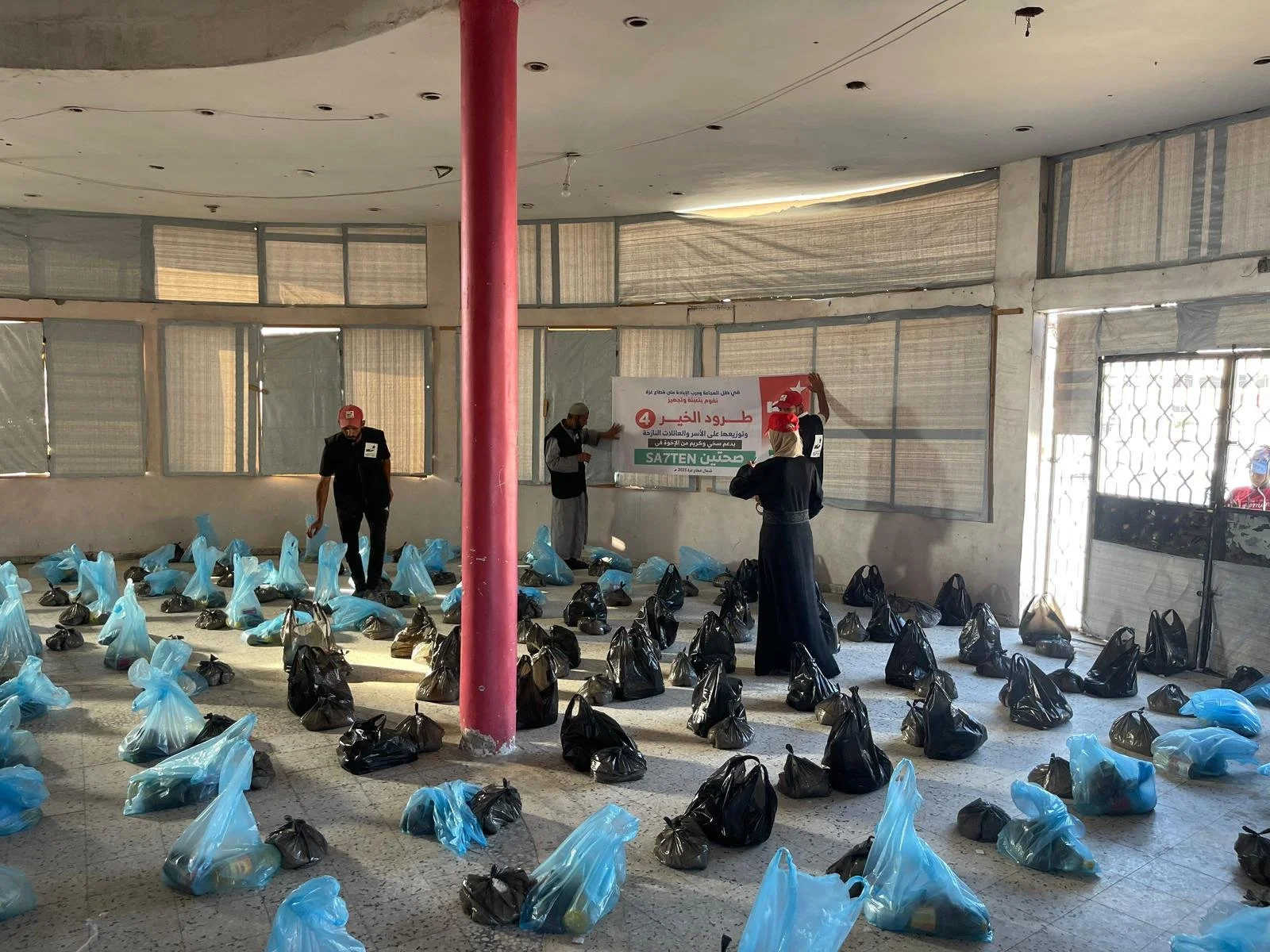
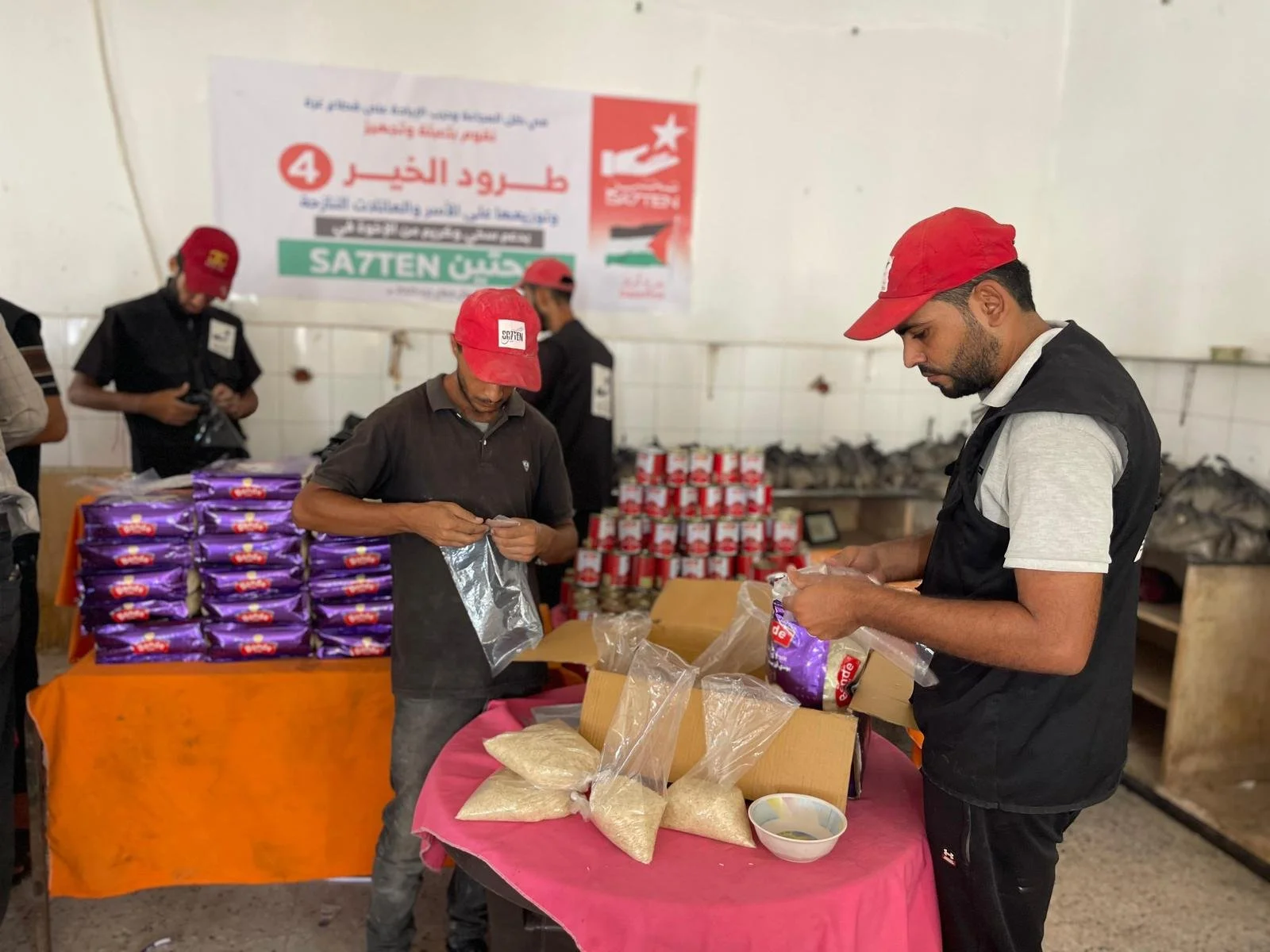
On 25 August, we prepared around 150 food packages and moved them into three areas: Tel al-Hawa near al-Quds Hospital, the al-Azhar area, and al-Nasr. Each package held rice, pasta, oil, tomato paste, seasoning, and about two kilos of flour. In the face of genocidal bloodlust, there is no system of filtering who “deserves” food, every family under fire has the same right to eat. We focused this round on households who had not received in earlier distributions, but the truth is simple: hunger is everywhere, and in Gaza today, every door we knock on carries the same weight of need. Getting the flour and supplies to the camps was not easy: as Abu Salah, Sa7ten’s field coordinator in Gaza, explained, “It was not one trip. The driver had to circle again and again, picking up pasta, flour, whatever was missing, and still keep going until the work was done.” Even the most basic act - moving food from one street to another - became an exhausting struggle carried out under the bombardment and advancing fire of the zionist forces.
We moved from stockpiling to cooking because hesitation meant loss. If the zionist forces pushed deeper, our stores could be destroyed or seized in a night. So on 27 August we cooked 30 large pots of rice and pasta, turning risk into immediate food. We drew from the same stock we had secured and added what the kitchens needed: flour, onions, firewood, and clean spices. We started early, coordinated cooks and pots, and worked until afternoon because delay under bombardment is another form of loss.
The day was hard and crowded. Lines formed for hours; people came from the Tel al-Hawa camp near al-Quds Hospital, the al-Azhar area, and the western camp. We split the food to reach them all, about 20 pots in the main site, a handful sent to the western camp, and several more near al-Quds. “Even if it takes hours, they wait, because they know when it is from Sa7ten, it will be done right,” Abu Salah said. By the end, not a single grain of rice was left.
Behind the scenes, every ingredient was a battle: firewood gathered from multiple sellers, spices returned and replaced when they were found mixed or fake, onions priced at levels no one had ever seen before, and transport that demanded endless loops of tuk-tuks and borrowed cars. Cooking under siege meant fighting for each detail, and it came at a heavy cost in both resources and human strain. This weight pressed hardest on our team, exhausted, stretched thin, but refusing to stop, a reminder that even feeding people has become a front line in the genocide.
People waited from morning until late afternoon, standing under bombardment with empty pots and hopeful eyes. What carried them through those hours was not just hunger but trust, the knowledge that when the food finally came from Sa7ten, it would be real food, prepared with care, not scraps. As Abu Salah put it, “Even cooking sand, people would wait, because they know we will not cut corners.” That trust is heavy to carry when our team is already worn down. By the end of the day, the cooks, drivers, and volunteers had pushed themselves close to collapse. Some had worked since dawn, others juggled multiple errands at once, yet none stepped back. In Gaza today, feeding people is survival, and survival demands everything.
The brutality does not stop at bombs. The zionist forces deliberately target those who hold life together in Gaza, the journalists who record truth, the civil defense teams who pull bodies from rubble, the paramedics who risk everything to keep people alive. Each attack is paired with a performance for the Western world, a ready-made excuse to paint our dead as threats. And in those capitals, racism runs so deep that these excuses are accepted without question. The bureaucracies of international organizations, the endless debates over words, all serve to protect colonial power and silence the voices of the oppressed. Our team feels this disparity every day: we witness what is undeniable on the ground, while the world twists itself into knots to pretend it cannot see. What does this leave our people with, except the knowledge that their survival rests on their own hands, their own neighbors, their own collective will, and that resistance, not institutions, is what keeps them alive?
In the face of this machinery of killing, Sa7ten has taken tangible steps that others have only spoken about. Inside Gaza and beyond it, our team has acted without hesitation, turning supplies into food, and fear into collective action. But this struggle cannot rest only on our shoulders. If you are privileged enough to live outside of Gaza, then act where you are: disrupt the governments that arm and fund genocide, refuse the comfort of waiting. Join Palestinian grassroots movements in your own streets. Boycott institutions and corporations complicit in this violence. Flood offices with letters that demand accountability. And yes, donate to Palestinian initiatives like Sa7ten, who have proved time and again that every penny sent reaches our people in Gaza in the most direct, efficient way this absurd reality allows. The world does not need more silence or sympathy. It needs action, now.