
Direct Aid and Ethical Struggle Amidst the Ongoing Genocide
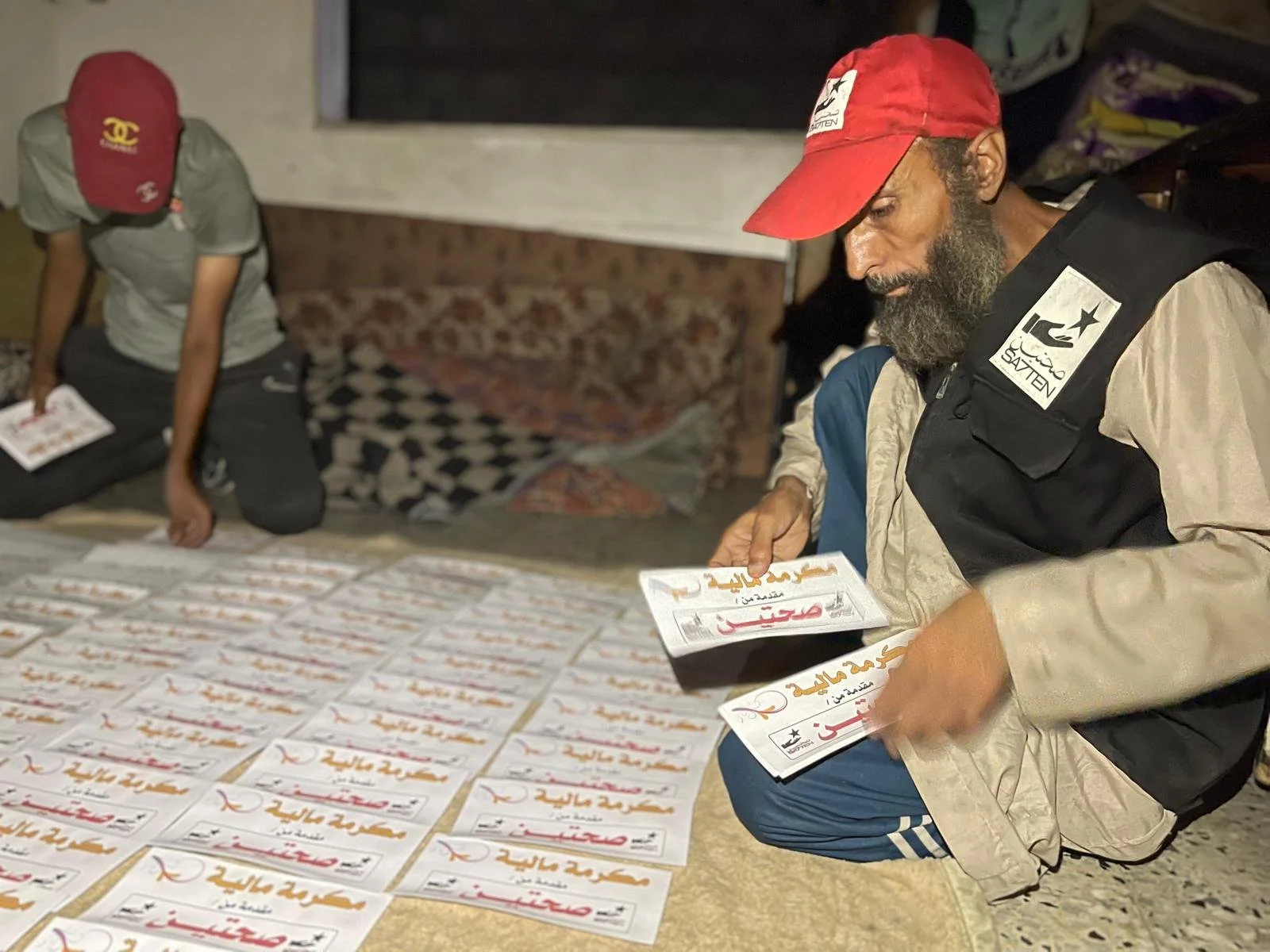
The genocide in Gaza perpetrated by the IOF and the Zionist state, is ongoing against our people, making conditions more difficult and tragic with each passing day. Military vehicles are advancing from approximately five critical axes, and tanks are visibly close to the displacement route, creating extreme danger and resulting in a paralysis of movement in the north. This military pressure is part of a plan to fully occupy Gaza City, which was once home to 800,000 tormented Palestinians. This situation, coupled with scarce water, food, and expensive transport, has created a crisis more difficult than any human mind can imagine.
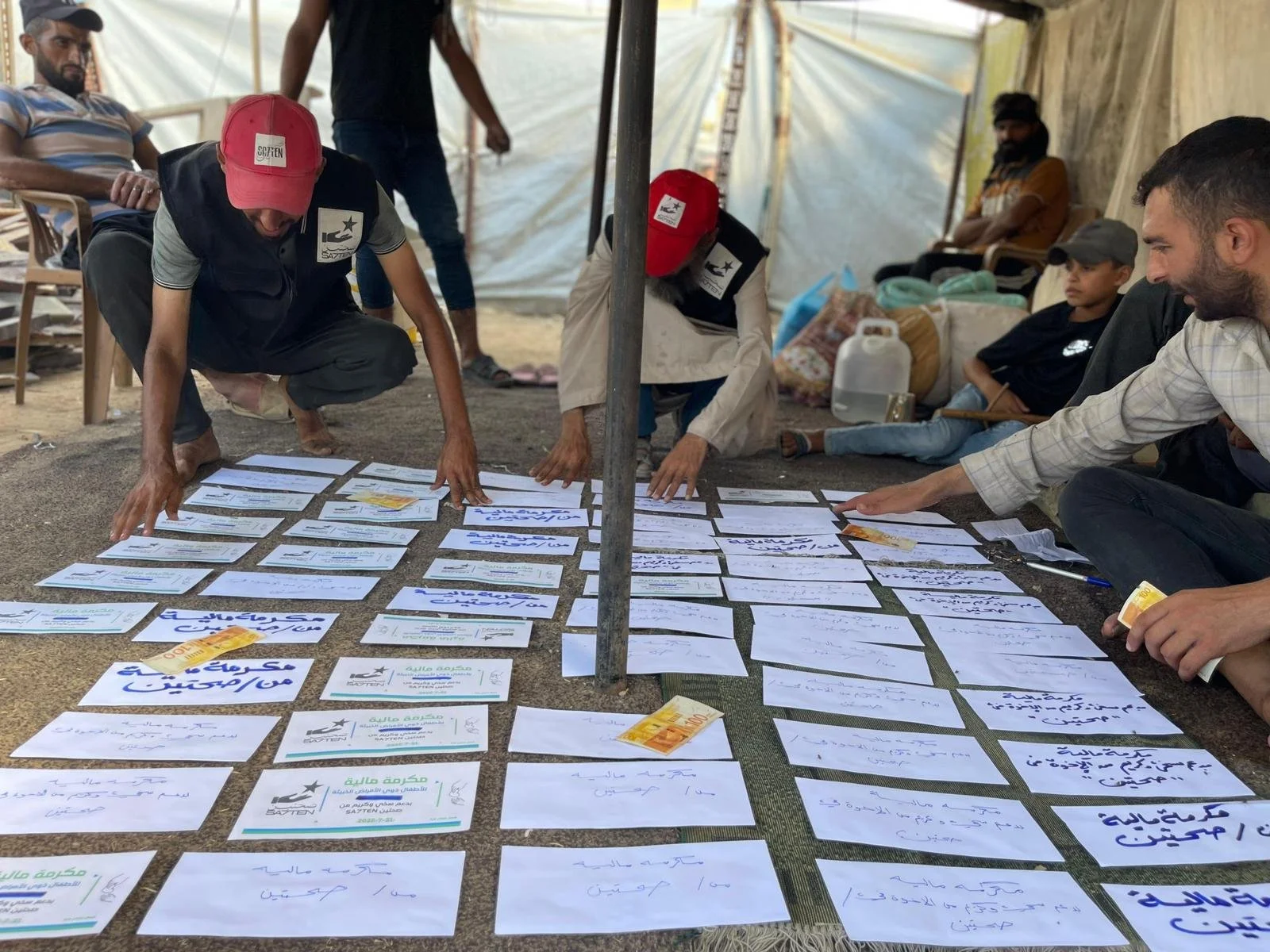
Despite this clear escalation, the betrayal and abandonment our people feel by the world and its international institutions have reached a level that makes reconciliation nearly impossible. "I don't know what to say, honestly, the situation is difficult and tear-inducing," noted Ahmad, Sa7ten’s operational manager. This ethical vacuum compelled us to move away from plans like cooking and settle on distributing cash and monetary aid, recognizing that the bereaved displaced people needed immediate means to secure basic necessities and transport.
The distribution was carried out over several days, with 24,500 Shekels (approximately $6,125) allocated to meet immediate needs. The initial $5,000 funding yielded 10,000 Shekels after transfer fees, with the bulk of the second distribution, 14,500 Shekels, following soon after. The standard assistance provided was 100 Shekels ($50) per family, though exceptional cases received 200 Shekels. The team focused on the western areas, including camps in Western Gaza, Al-Mina, and Aljawazat area, but the majority of the work centered on the displacement route itself, along Al-Rasheed Street, Taba Nwayra, and Al-Nabulsi Roundabout. This area was specifically targeted to reach those who had "set up tents out of exhaustion" because they were "not finding shelter and heading into the unknown." Logistically, the effort was complex and dangerous. The team insisted on conducting the distribution at night to mitigate risks. Reaching the people required significant effort, as "movement there is difficult, access is difficult." Rather than simply distributing at easily accessible points, the team moved extensively on foot, Ahmad explained the necessity of this sustained effort: "They walk, they keep walking, looking for the families in need." The team's commitment to finding the most vulnerable required them to overcome the practical and psychological obstacles posed by the close proximity of military vehicles.
"worst humanitarian situations you could face during this displacement stage."
The distributions exposed the dire human cost of the ongoing genocide, revealing situations of need so extreme they were described as cases that would "make a stone weep." The latest field rounds focused explicitly on these critical vulnerabilities: families with sick people, orphans, and children suffering from severe malnutrition. The cases documented illustrated the deep trauma and deprivation impacting young children. Among the most difficult situations encountered were three families categorized as the "worst humanitarian situations you could face during this displacement stage." These families consisted solely of girls with no provider. Their situation was so precarious that they were in urgent need of aid merely to secure transport to the displacement route. To address this immediate, severe vulnerability, Sa7ten provided a higher level of assistance: 1000 Shekels (approximately $250) and a total value of $500 was given to each family to facilitate their movement and meet essential needs.
"Gaza is a trust on the neck of every free and honorable person in this world."
The difficulty of the operation extended beyond logistics and security; it involved profound ethical and personal choices. Ahmad acknowledged the heavy internal struggle, noting, "I swear, I prioritized people over my own family." This sacrifice underscores the team's commitment to the work, even as many families, including Ahmad's own, remained "not convinced about leaving the place and getting out," highlighting their steadfast refusal to be uprooted. Against this Gazan commitment stands the global failure. The genocide in Gaza, is being watched by a world that is either "silent" or "hypocritical." This criticism extends directly to officials, such as the Italian Foreign Minister, who dismissed the efforts of the Freedom Flotilla, who moved to break the siege with an "ethical message." Ahmad cited the Minister's claim that aid could be delivered within two hours in coordination with the military, questioning why this capability was withheld during two years of "killing, starvation, shelling, fear, terror, children, severed body parts, and blood." The emergence of the Flotilla exposed that much of the world is "despicable and hypocritical," leaving the burden on the "honorable people" whose voices were suppressed. Ultimately, the mandate remains: as long as the war is active, "Gaza is a trust on the neck of every free and honorable person in this world."
We will stand with those who cannot move. Our role is simple: to help people survive, and to remain by their side whatever comes. But survival in Gaza today demands more than presence. It demands action. International NGOs and humanitarian actors must move resources directly to where they are needed. Regional powers must end their complicity in the blockade and open humanitarian corridors without condition. And people outside Gaza must act: disrupt the governments that arm and fund this war. Join Palestinian-led movements. Boycott complicit corporations. Flood political offices with demands. Donate to Palestinian initiatives like Sa7ten. The time to resist and to act is now.
