
Scholasticide in Gaza : The Architecture of Erasure
By Niamh O’Neill
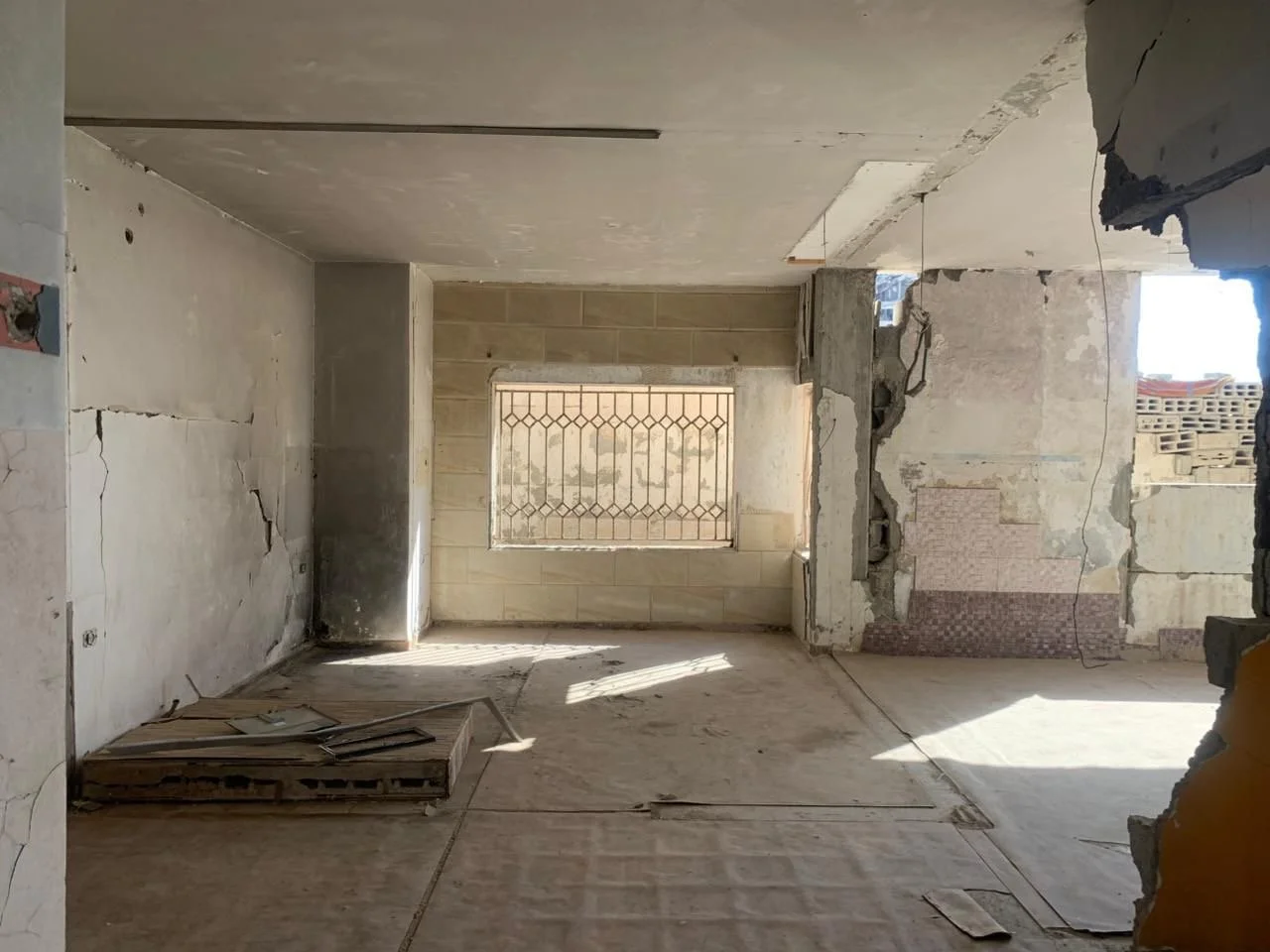
For other NGOs, restoring a school might simply be a ticked box on a list of things to show the world they are helping Gaza to rebuild. For Sa7ten, the premise of our school goes deeper. It is not a temporary solution. It is a declaration against the occupation: that children in Gaza deserve better. Every wall that is built, every teacher we support, every child that is able to pick up their school books and head to a safe place every day, is a refusal to accept the future that has been written for them. It is to show the outside world that the pursuit of knowledge in Gaza, and in Palestine, is unbreakable.
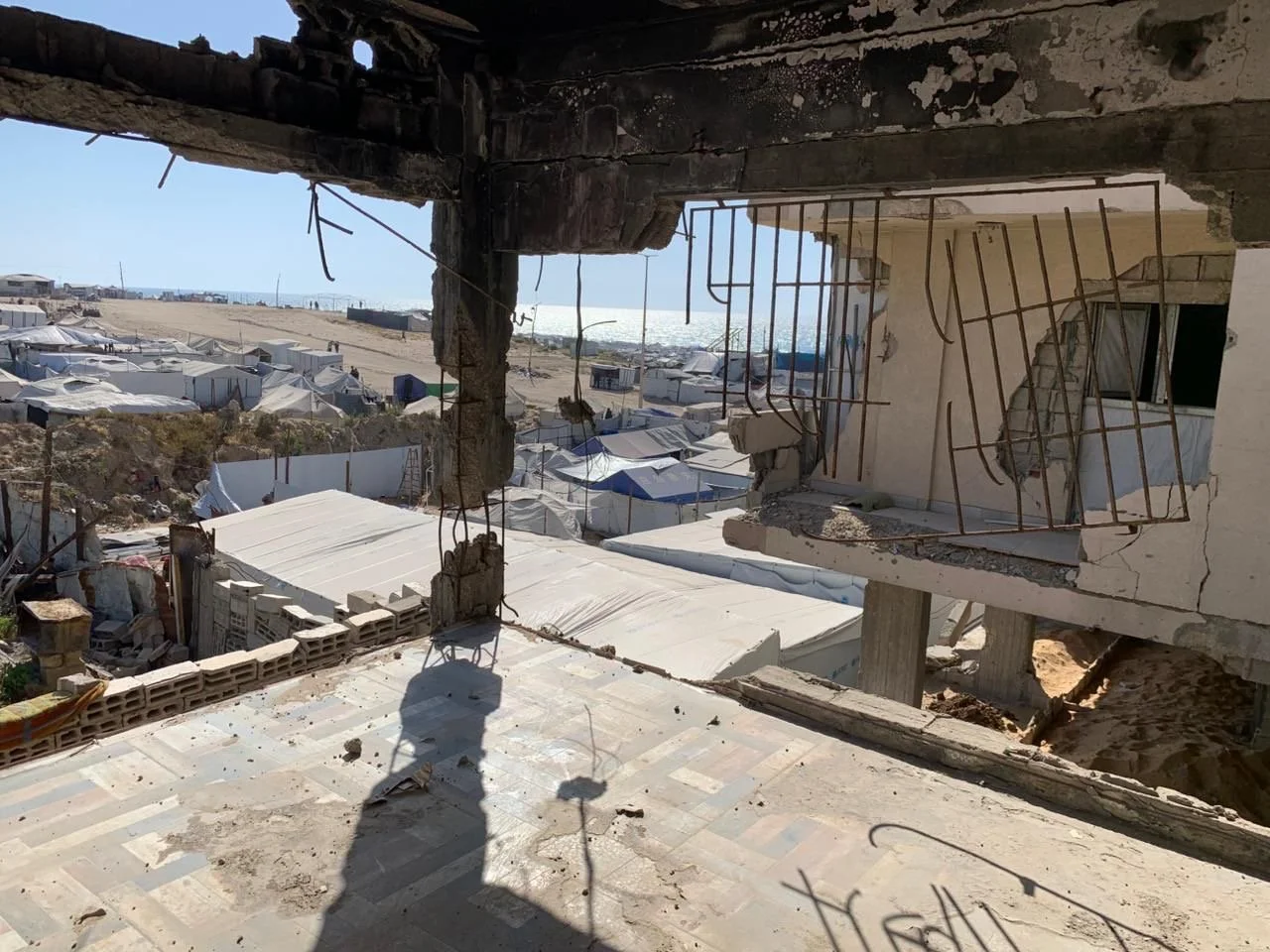
Before October 7th, the youth literacy rate in Gaza was one of the highest in the world, at around 99.4%. School was free for children aged 6 to 16. There were 19 higher education institutions, and 44% of 18–24 year olds went on to study at university or college level - a rate that was beyond the global average. Education in Gaza serves as a gateway to knowledge, to a world outside the siege; it is a form of resistance against the dominance of Israeli occupation, a tool of emancipation.
What has happened to Gaza’s education system is by no means a mere by-product of war. This week, a UN Commission of Inquiry released a harrowing report articulating how Israeli authorities systematically and deliberately target Palestinian children, characterizing these acts as crimes against humanity in both Gaza and the occupied West Bank. This onslaught represents a calculated dismantling of an institution woven deeply into the fabric of Palestinian identity, resistance, and survival. To systematically destroy schools and kill students and teachers is to intentionally target knowledge, extinguish hope, and annihilate the future. There is a precise word for this systematic erasure of education: scholasticide.
The word scholasticide was coined by the Palestinian scholar Karma Nabulsi more than a decade ago. At the time, she warned that Israel was seeking to "annihilate an educated Palestine." She used the term to describe the deliberate destruction of education through the killing and detention of students and teachers, the demolition of schools and universities, and the disruption of learning itself. She argued that this was not something new, but part of a much longer history stretching back to the Nakba. She recognized this in Palestine ten years ago, and it is what we see now more than ever.
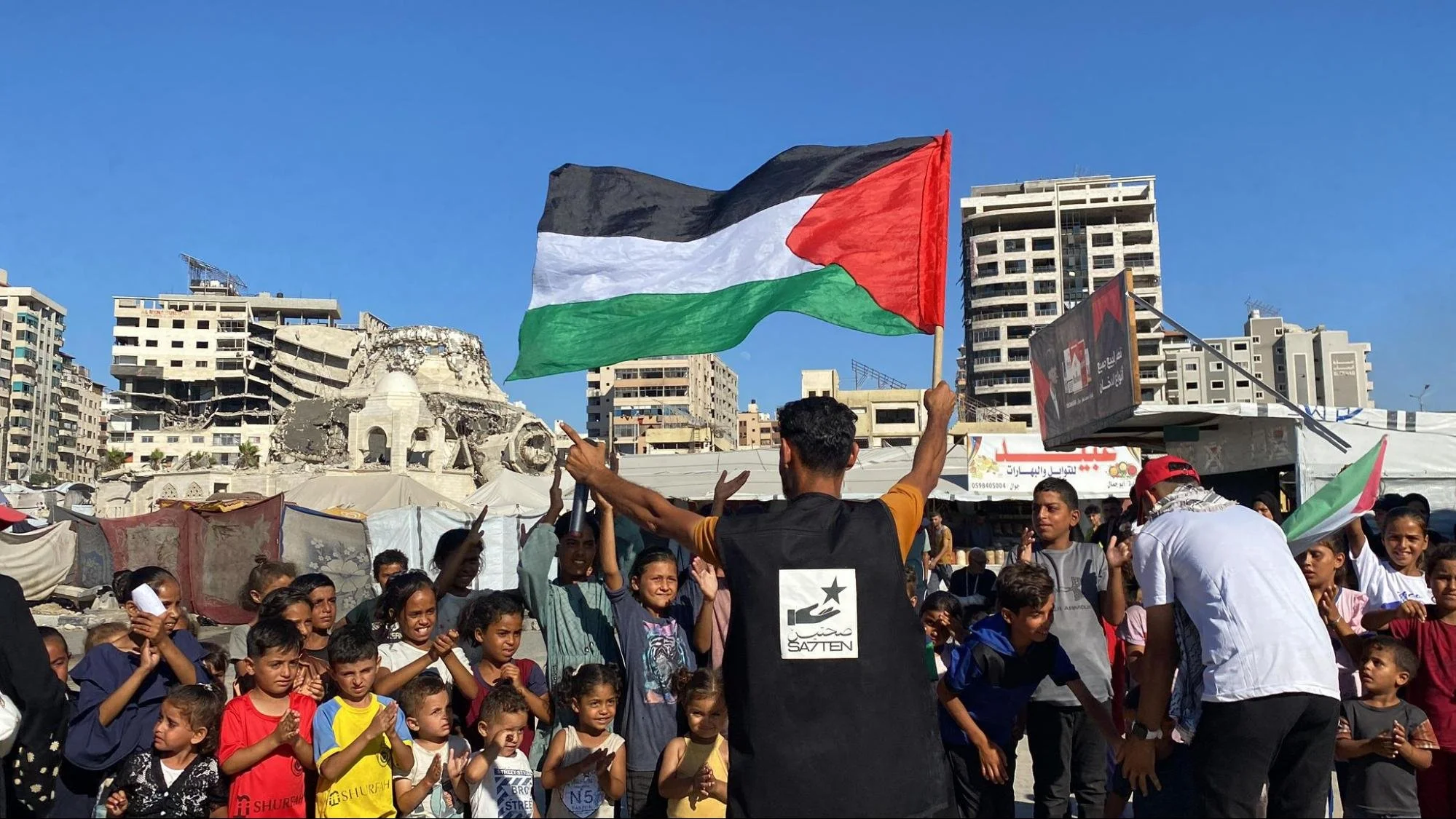
We have an obligation to Gaza’s children. Education is a human right that has been denied to Palestinians for decades. The right of children to learn, even during conflict, is not a matter of charity, it is supposed to be protected under international law. But it is about more than just learning; in the context of occupation and colonisation, education can nurture critical thought, foster dignity and sustain aspirations for liberation. The Sa7ten school is rooted in this belief. After more than two years of bombing, displacement, hunger and grief, the children in our community deserve more.
We recognize how global policy has completely failed an entire generation in Gaza. By July last year, only 5.7% of the US$230.3 million requested by the UN office of humanitarian affairs had been provided: a mere US$9 per child. The institutions built to protect children in Gaza have let them down repeatedly, and without consequence. The gap they leave behind is where Sa7ten stands.
