
Gaza is enduring an ongoing genocide perpetrated by the Zionist state of Israel, a brutal reality that has rendered basic necessities, including water, a daily struggle for survival. In this context of systematic oppression, our teams are committed to delivering essential resources to those most affected. This report details critical water distribution efforts undertaken from June 14 to June 23, 2025.
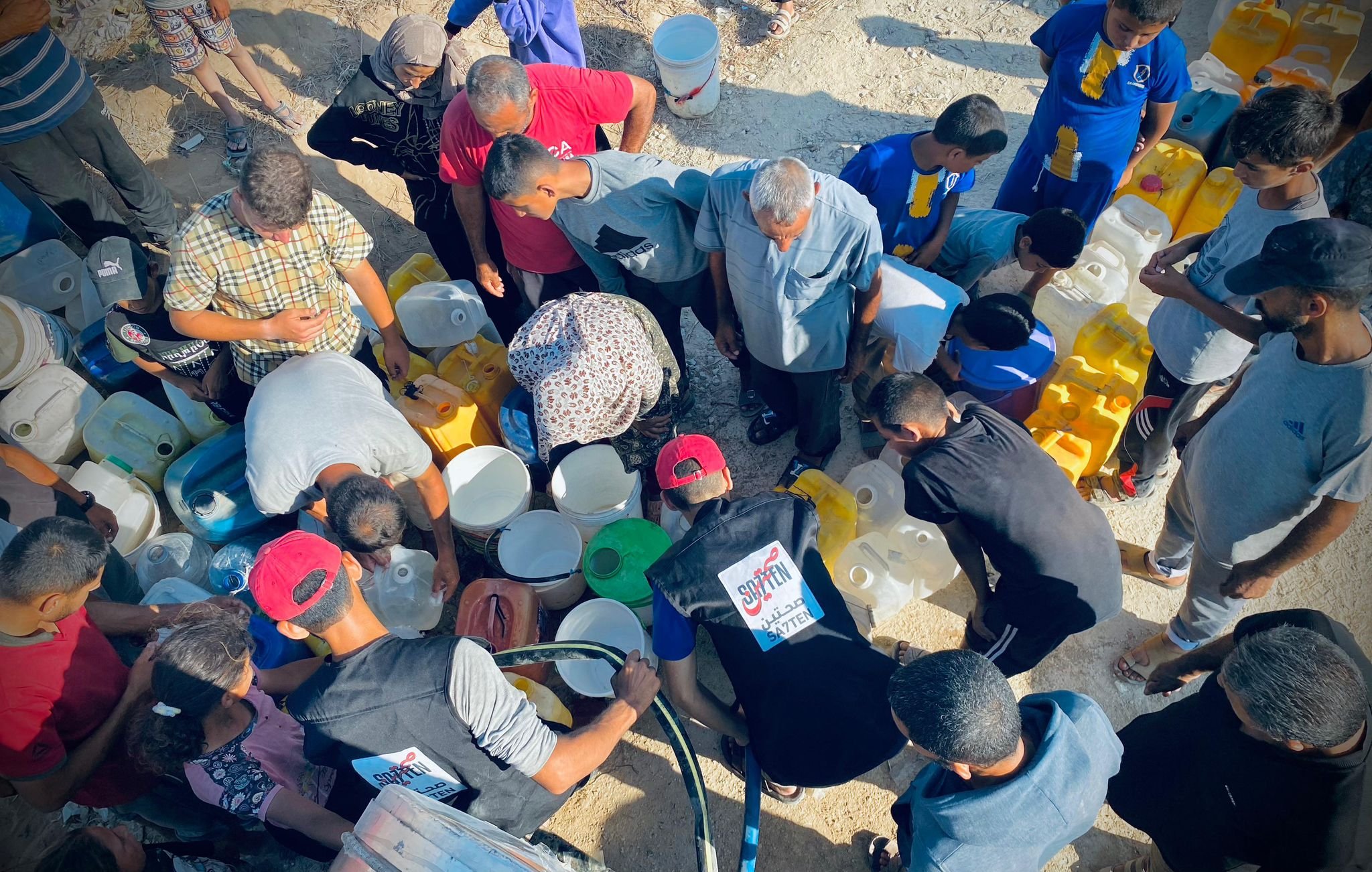
Water Distribution Efforts: A Lifeline Delivered
Between June 14th and June 23rd, our teams carried out vital water distribution operations across various areas in the Gaza Strip. These efforts directly addressed the severe water scarcity, a consequence of widespread destruction of infrastructure, including water lines and wells, and the deliberate lack of operational power generators. Our focus remains on delivering clean water for both drinking and domestic use to communities in dire need.
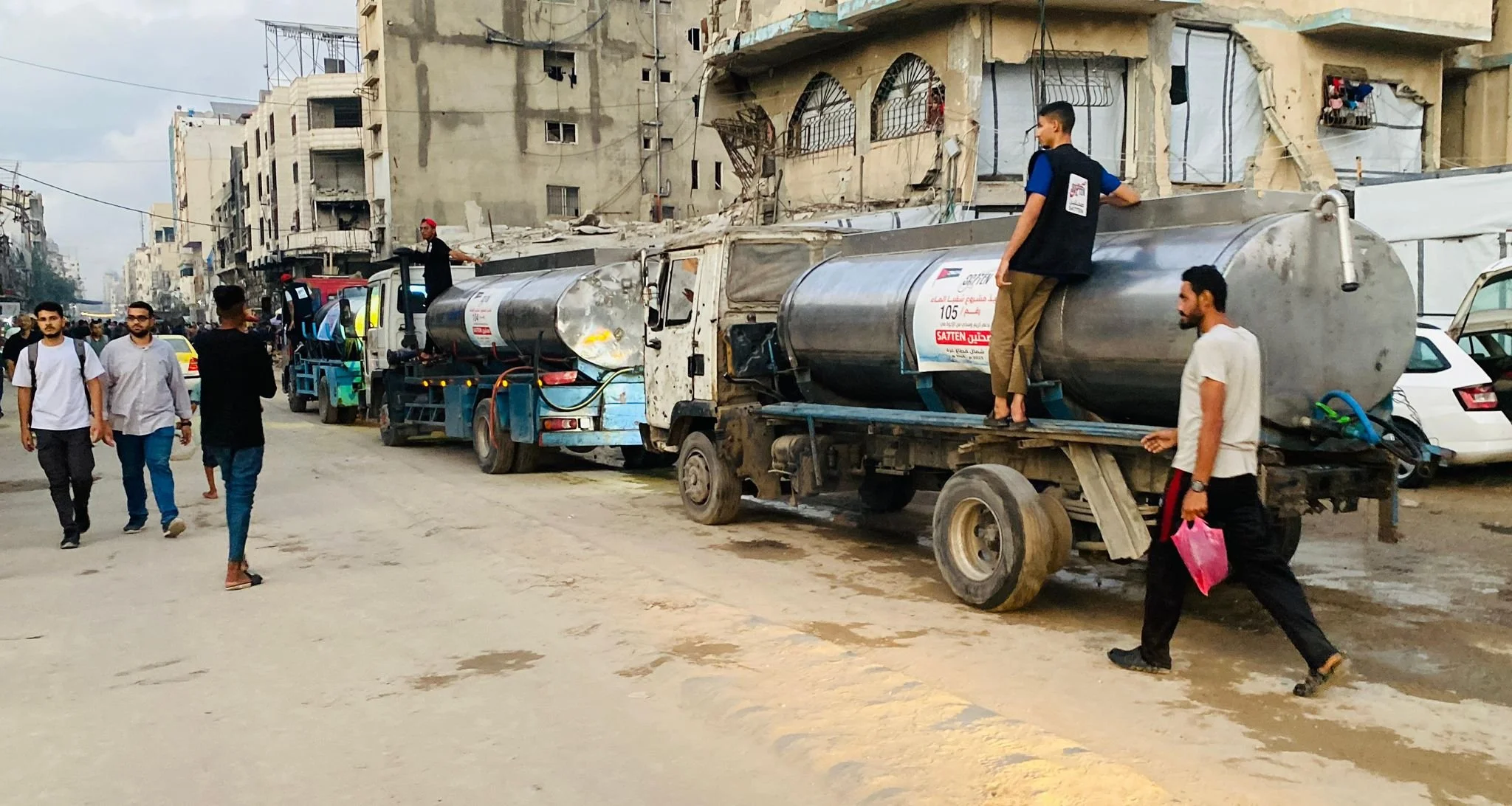
During this period, approximately 13 water trucks were dispatched, each typically carrying 7 cubic meters (7,000 liters) of water. This collective effort resulted in the distribution of approximately 78,000 liters of water to our most vulnerable people.
Key distribution locations included:
June 14th: Five water trucks were sent to Al-Nasr neighborhood (two trucks near the Italian Complex), the vicinity of Al-Quds Hospital (Tal al-Hawa), Meat City, and Al-Daraj area.
June 15th: Two water trucks were distributed in Al-Nasr neighborhood and the vicinity of Meat City, areas revisited due to acute thirst and immediate consumption of previous deliveries.
June 20: Three water trucks were sent to Al-Nasr neighborhood, the vicinity of the Blood Bank, and Haidar Abdel-Shafi roundabout.
June 23: Three water trucks were sent to the extension of Al-Nasr Street (two trucks) and, notably, Street 10 near the Nabulsi roundabout—a particularly challenging and dangerous area to access.
Water distribution decisions are made based on direct appeals from community leaders and individuals. Upon receiving these urgent requests, our team mobilizes, coordinates with the water station, and dispatches trucks. Communities are informed of arrival times to ensure efficient distribution, as trucks cannot remain on-site indefinitely. Our team members demonstrate increasing experience in managing distributions and coordinating with local officials.
The response from affected communities consistently highlights the extreme necessity of these distributions. People are profoundly thirsty; trucks are immediately emptied, and the need often remains. The consistent demand necessitates repeated visits to locations, underscoring the critical role these operations play in daily survival.
The Reality of Water Scarcity: A Weapon of War
The critical need for water in Gaza is not a natural disaster but a direct result of the ongoing genocide perpetrated by the Zionist state of Israel. The deliberate destruction of water infrastructure—wells bombed, main water lines destroyed, and a crippling lack of fuel for remaining operational facilities—has created an engineered humanitarian catastrophe. Only 40% of Gaza's drinking water production facilities are currently functional. Without urgent fuel supply, the remaining operations are projected to cease within weeks. This fuel blockade, a direct consequence of electricity cuts since October 2023, paralyzes water production, treatment, and distribution for over two million Palestinians. The stark warning is that children will die of thirst if this blockade continues.
Challenges on the Ground: Operating Under Siege
Delivering water in Gaza is fraught with immense challenges, all exacerbated by the ongoing aggression:
Infrastructure Collapse: The almost complete breakdown of water infrastructure means reliance on limited, often saline, water sources that require purification, which is frequently unfeasible.
Logistical and Security Risks: Navigating areas that are distant, difficult to access, and actively targeted by Israeli forces poses extreme danger. Reaching the Nabulsi roundabout, for instance, was deemed highly perilous by drivers, necessitating a large accompanying team to ensure their safety.
Overwhelming Demand: The acute scarcity creates immense pressure from communities. When one area receives water, neighboring areas immediately demand assistance, leading to a constant and escalating operational burden.
Financial Constraints: Operations are prohibitively expensive. Each cubic meter of water costs 250 ₪. This is compounded by astronomical fuel costs and a staggering 45% commission on funds transferred into Gaza, meaning nearly half of every dollar donated is lost before it can be used on the ground.
Disappearing Aid: Many individuals and groups who initially provided assistance have ceased operations, either due to exhaustion or an inability to cope with the escalating dangers, placing an even greater burden on remaining active groups.
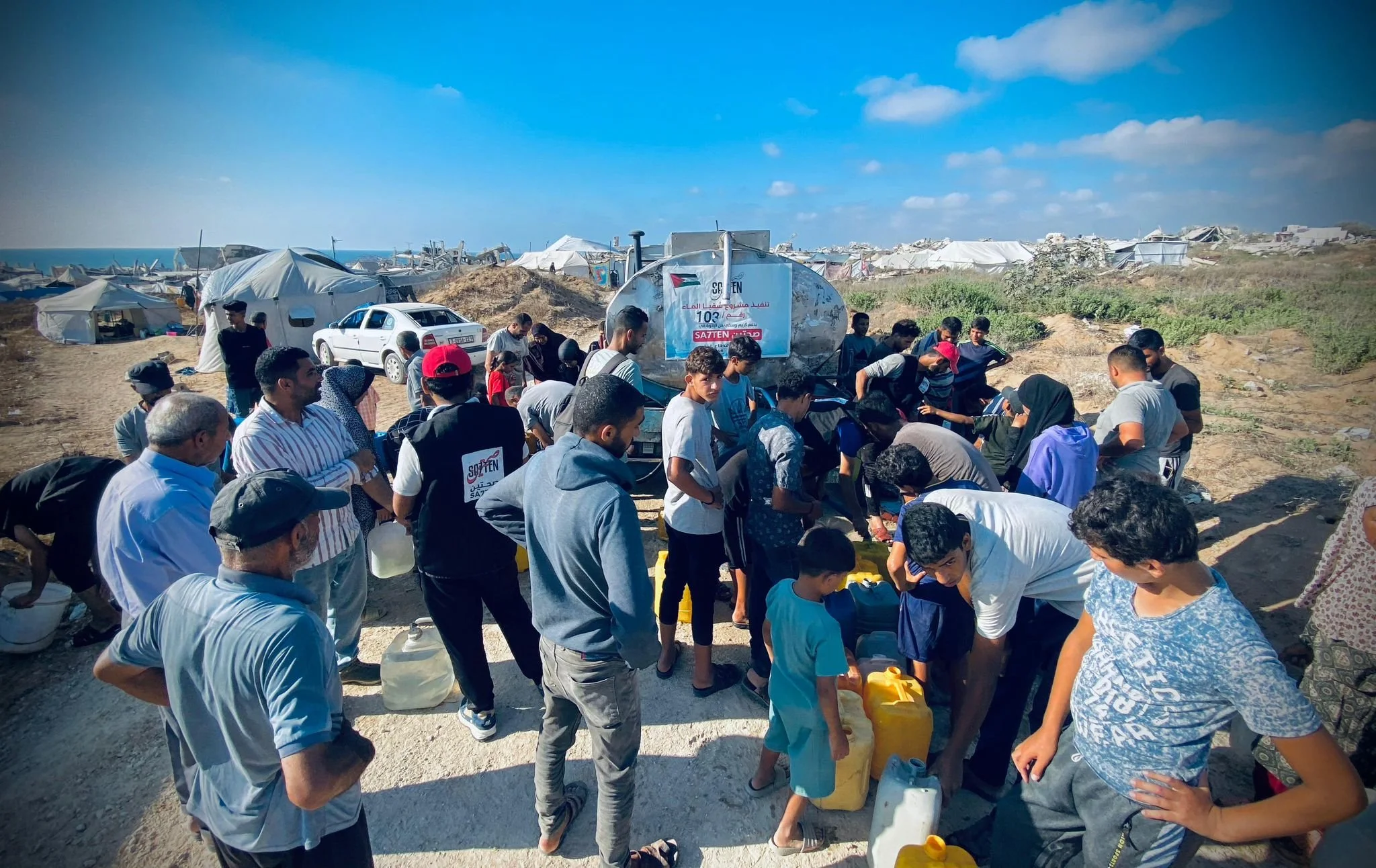
Economic and Humanitarian Realities: Engineered Suffering
The economic situation in Gaza is beyond dire, described as "harder than hard." Everyday necessities have become luxuries. A kilogram of sugar, which once cost 3 ₪, now costs 300 ₪. Basic items like cooking oil are sold by the cup due to extreme scarcity and unaffordability. Our people are surviving on whatever they can get, prioritizing flour for bread. The fuel crisis, coupled with the destruction of water systems, also severely impacts healthcare and sanitation, leading to the spread of infectious diseases. The desperate pleas for food from families knocking on doors, and urgent medical needs going unmet, are daily occurrences.
Voices from the Field
Those on the ground witness this engineered suffering daily:
Abu Saleh, Field Coordinator: "We receive calls from camp managers, from the mukhtars of the neighborhoods, from… many people, saying that we need water, the area needs water. Based on this, we move. We mobilize any ready youth to go out, contact the station, prepare the trucks, and we move." He adds, "The youth have gained a lot of experience in the distribution method and in how to act, how to prepare the people, how to coordinate with the person in charge of the area, the camp official."
Ahmad, Operations Director: "The issue of water is one of the very important and difficult things to obtain because there is no saltwater that comes from the municipality… This water is very rare because there are no generators to operate the wells. There are basically no wells, most of them have been bombed, and most of the water lines have been destroyed." He reflects on the core mission: "The matter is not based on whether we succeeded or failed. The matter is based on the fact that we delivered or brought water to the people who need it, that's what matters." Ahmad also describes the economic devastation: "The economic situation is frankly very difficult and harder than anyone can imagine, that you reach a stage where you buy these things with the weight of gold." He concludes with the profound reality of their work: "I receive messages from people, God is my witness, that break the heart, truly break the heart… You are forced to act when someone knocks on your door asking for food. You have to feed them… because your name is a relief institution."
A Call to Action
The situation in Gaza is an unbearable testament to the human cost of systematic oppression and the ongoing genocide perpetrated by the Zionist state of Israel. The economic realities and harrowing accounts are not statistics; they are cries for immediate and fundamental change.
We call upon:
International Communities and Governments: End the suffocating siege on Gaza. Demand immediate, unhindered, and safe passage for all humanitarian aid, including construction materials for vital infrastructure repair. Pressure must be applied to ensure access to fuel and electricity, critical for operating water wells and hospitals. Establish transparent and direct financial corridors that bypass exploitative commissions. Support long-term solutions that address the root causes of this genocide, enabling the people of Gaza to rebuild their lives and infrastructure free from blockade and military aggression.
International Non-Governmental Organizations (INGOs): The absence of many aid providers has left a massive void. Those with the capacity must re-engage or scale up their presence in Gaza. This means not just sending aid but ensuring its direct delivery and distribution, adapting to the extremely challenging and dangerous environment. Collaborate to pool resources, streamline logistical processes, and advocate collectively for better access and security guarantees for aid workers. Prioritize direct humanitarian assistance that addresses immediate needs, ensuring funds are converted into tangible relief on the ground.
People with Sound Conscience Across the Globe: The suffering in Gaza is not a distant problem; it is a direct result of policies and actions that demand a human response. Educate yourselves on the realities beyond the headlines. Support organizations that are verifiably and effectively delivering aid directly to our people, recognizing the immense challenges and personal risks involved. Use your voices to advocate for an end to the siege and the violence. Demand accountability from your representatives and governments. The desperate pleas for water, for food, for dignity, are not abstract; they are the fundamental rights of every human being. Do not let these cries fall on deaf ears. The work to provide basic sustenance will continue, but true relief demands global action.